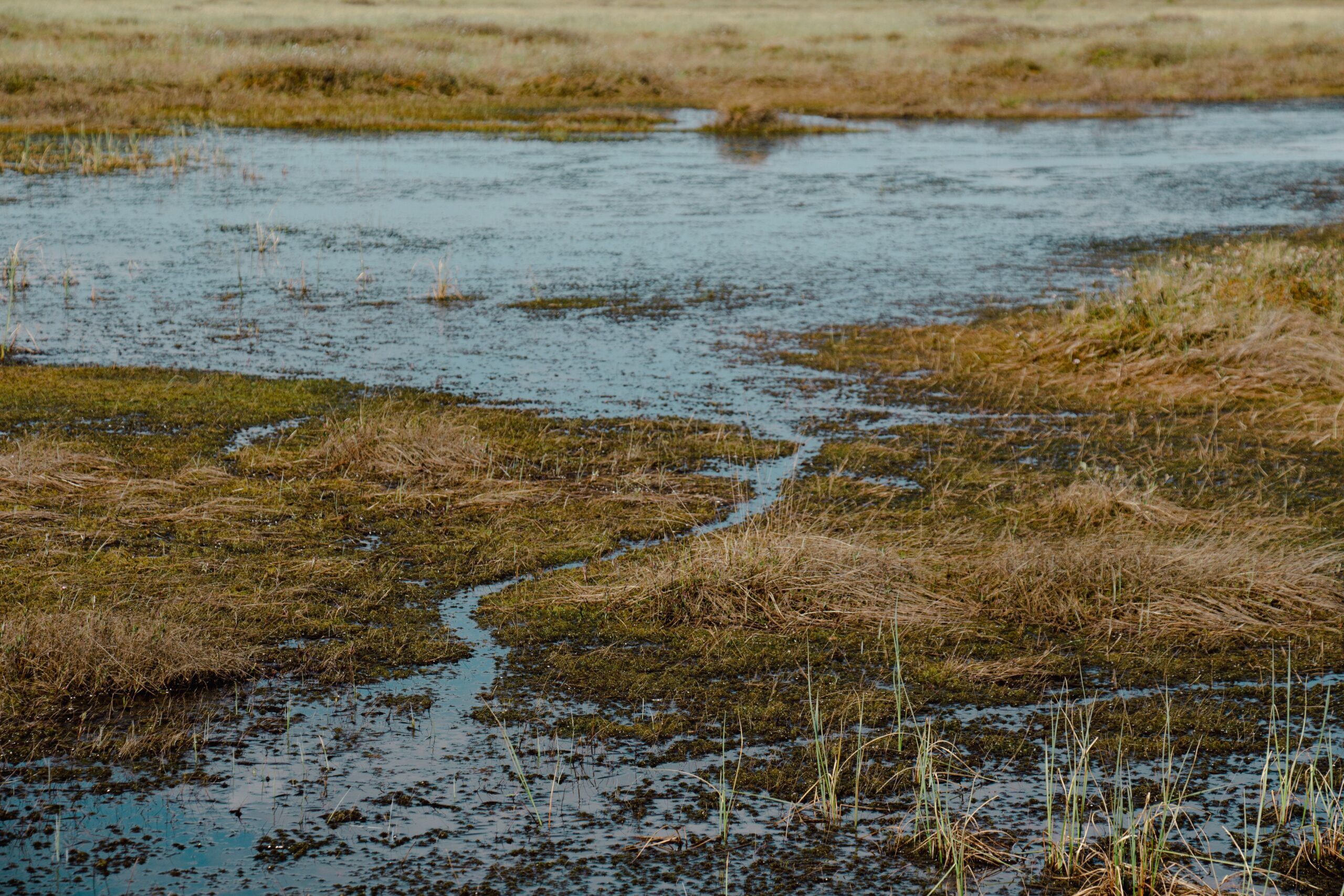
Across the United Kingdom, momentum around aquatic ecological restoration is reaching an all-time high. From Tittesworth Water becoming the largest reservoir site to earn the prestigious Biodiversity Benchmark accreditation, to Bristol’s bold ambition to become the UK’s first recognized Wetland City, water utility leaders and municipal planners are recognizing that aquatic health underpins broader climate resilience.
However, a critical operational gap remains: How do we maintain surface water quality in restored areas without causing secondary ecological damage?
The Surface Water Challenge in Restored Ecosystems
When riverbanks are rewilded and wetlands are re-connected to urban corridors, they naturally become accumulation zones for floating debris, microplastics, and invasive organic biomass (such as duckweed).
Historically, managing surface waste on large reservoirs or sensitive urban wetlands required:
- Fossil-fuel-powered workboats: Releasing diesel emissions, oil sheens, and noise pollution directly into recovery zones.
- Heavy propellor wake: Eroding fragile banks and disturbing benthic sediments.
- Manual skimming crews: Posing labor safety challenges along steep embankments or quays.
To support long-term ecological accreditations, site operators require a non-invasive, zero-emission alternative that actively protects wildlife while maintaining pristine surface conditions.
The Autonomous Solution: Clean Tech in Action
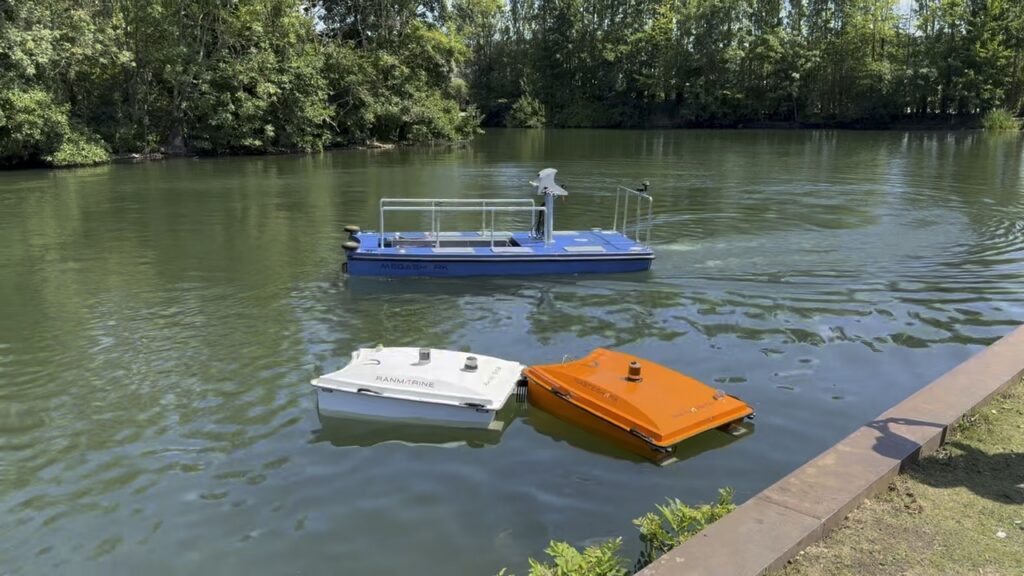
This is where RanMarine Technology’s fleet of Autonomous Surface Vessels (ASVs) enters the restoration framework. Designed to act as smart, quiet surface filters, these vessels remove floating pollutants at the source:
| Vessel | Target Environment | Key Feature | Operational Impact |
| WasteShark & WasteShark+ | Urban wetlands, canals, and rivermouths | Compact catamaran hull with RimDrive propulsion | Captures 500 kg/1100lb per day of plastic and biomass in tight, shallow habitats. |
| MegaShark | Large open wetlands or reservoirs & industrial port waters | Industrial-capacity electric workboat (880L / 232 gals volume) | Handles high-volume debris on large bodies of water without fossil fuels. |
[Upstream Urban Runoff / Plastics]
         │
         ▼
[RanMarine ASVs (WasteShark / MegaShark)] ──(Silent / Zero Emissions)──► [Clean Surface Water]
         │
         └─► [Real-Time Water Quality Data (pH, DO, Turbidity)] ──► [Biodiversity Reporting]
1. Zero Direct Emissions and Low Noise
Operating on 100% electric power, vessels like the WasteShark run silently and produce zero direct exhaust or toxic fluid leaks. This ensures aquatic birds, fish species and rewilded flora remain completely undisturbed during daily cleaning cycles. By eliminating engine noise and wake turbulence, operators can maintain critical habitats continuously without driving away local wildlife or damaging vulnerable aquatic nesting sites.
2. Microplastic and Debris Capture at the Origin
By deploying agile ASVs where rivers meet urban wetlands, such as Bristol’s tidal edges or restored stretches like the River Rib, operators catch surface plastics before they break down into microplastics or drift into marine protected zones. Removing waste directly at the accumulation bottleneck prevents harmful chemicals from leaching into the water column and stops debris from choking vital fish pathways and native plant life.
3. Turning Clean-Up into Biodiversity Data
Equipped with an advanced suite of environmental sensors, RanMarine vessels allow site operators to go far beyond surface cleaning and actively explore real-time water data. While navigating across a reservoir or canal, these autonomous vessels continuously log vital parameters such as dissolved oxygen, turbidity, pH, water temperature, salinity and depth. By capturing key metrics directly from the water column, site managers gain immediate visibility into overall ecosystem health and seasonal fluctuations.
For sites aiming to maintain formal Biodiversity Benchmark standards, this automated data capture provides the verifiable baseline evidence required by ecological auditors while helping teams identify emerging water quality risks before they impact local wildlife.
A New Standard for Water Stewardship
Achieving national recognition for biodiversity or securing UNESCO Wetland City status requires a continuous, verifiable operational commitment to long-term wetland restoration. Integrating autonomous, electric surface vessel technology allows water authorities, city councils and conservation trusts to elevate their environmental stewardship. By embedding zero-emission technology directly into aquatic restoration plans, stakeholders can ensure that every river restoration initiative remains clean, quiet, biodiverse and fully measurable for generations to come.