18 Sep 2026
The health of our oceans, ports, and inland waterways is steadily climbing up the global political and public agenda. The German Ocean Foundation highlights this momentum in its latest UN Ocean Decade update, detailing student research expeditions aboard the vessel ALDEBARAN. Their investigations into the Baltic Sea focused on a critical issue: oxygen deficiency and the rise of underwater “dead zones.”
Whether caused by oxygen-poor sediment or excess nutrient runoff, oxygen depletion severely threatens aquatic ecosystems. Stagnant organic debris and unchecked microalgae blooms strip oxygen from the water column as they decompose, creating suffocating environments for marine life.
Addressing these challenges does not require massive open-ocean fleets. The solution begins in our sheltered ports, urban canals, and harbours, where calm waters create the ideal environment for targeted, autonomous intervention.
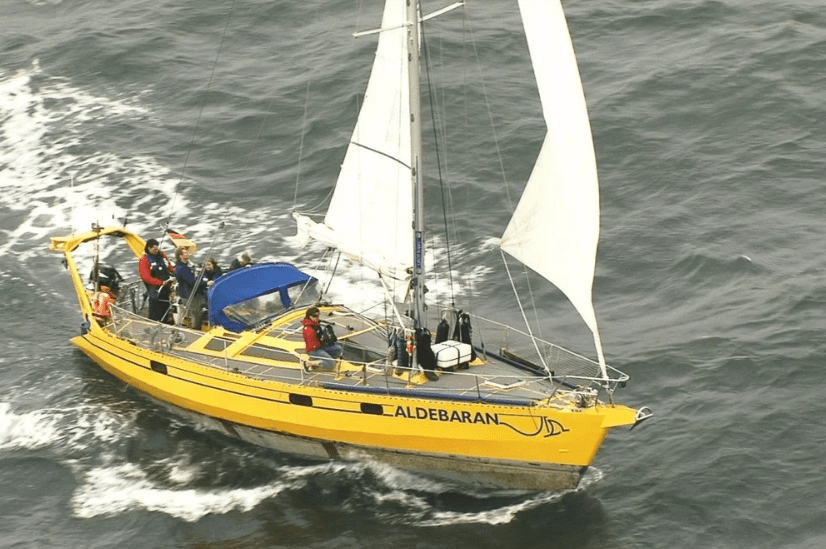
From Microalgae to Dead Zones: Connecting the Dots
The ALDEBARAN expeditions examined how oxygen depletion triggers a cascade of ecological harm. When decaying organic waste and excess algal biomass accumulate in slow-moving waters, microbial processes consume the remaining dissolved oxygen. Left unchecked, these areas deteriorate into toxic, oxygen-free zones.
Managing this challenge requires a clear two-part strategy:
- Monitoring water parameters in real time to detect early algal activity and oxygen drops.
- Removing organic biomass and neutralising toxic blooms before they settle and decompose.
This is precisely where autonomous surface technology bridges the gap between ocean science and daily waterway management.
Targeted Monitoring Without Manual Water Sampling
Traditionally, identifying oxygen depletion or tracking microalgae required taking manual water samples by boat, sending them to a laboratory, and waiting days for results. By the time data arrived, an algal bloom or hypoxic event was already underway.
RanMarine’s Data Solutions change this dynamic. By equipping autonomous surface vessels with real-time water quality sensors, operators can track parameters such as dissolved oxygen, turbidity, Chlorophyll a, and Phycocyanin continuously.
This setup allows water managers to differentiate between harmless microalgae and toxic cyanobacteria without requiring manual laboratory sampling. Data streams via 4G directly to the RanMarine Connect portal, generating live, geo-tagged heatmaps of water quality trends across a harbour. Waterway managers gain early warning visibility into potential pollution hotspots, allowing them to take action long before a dead zone forms.
Proactive Biomass Skimming and SFTS Treatment
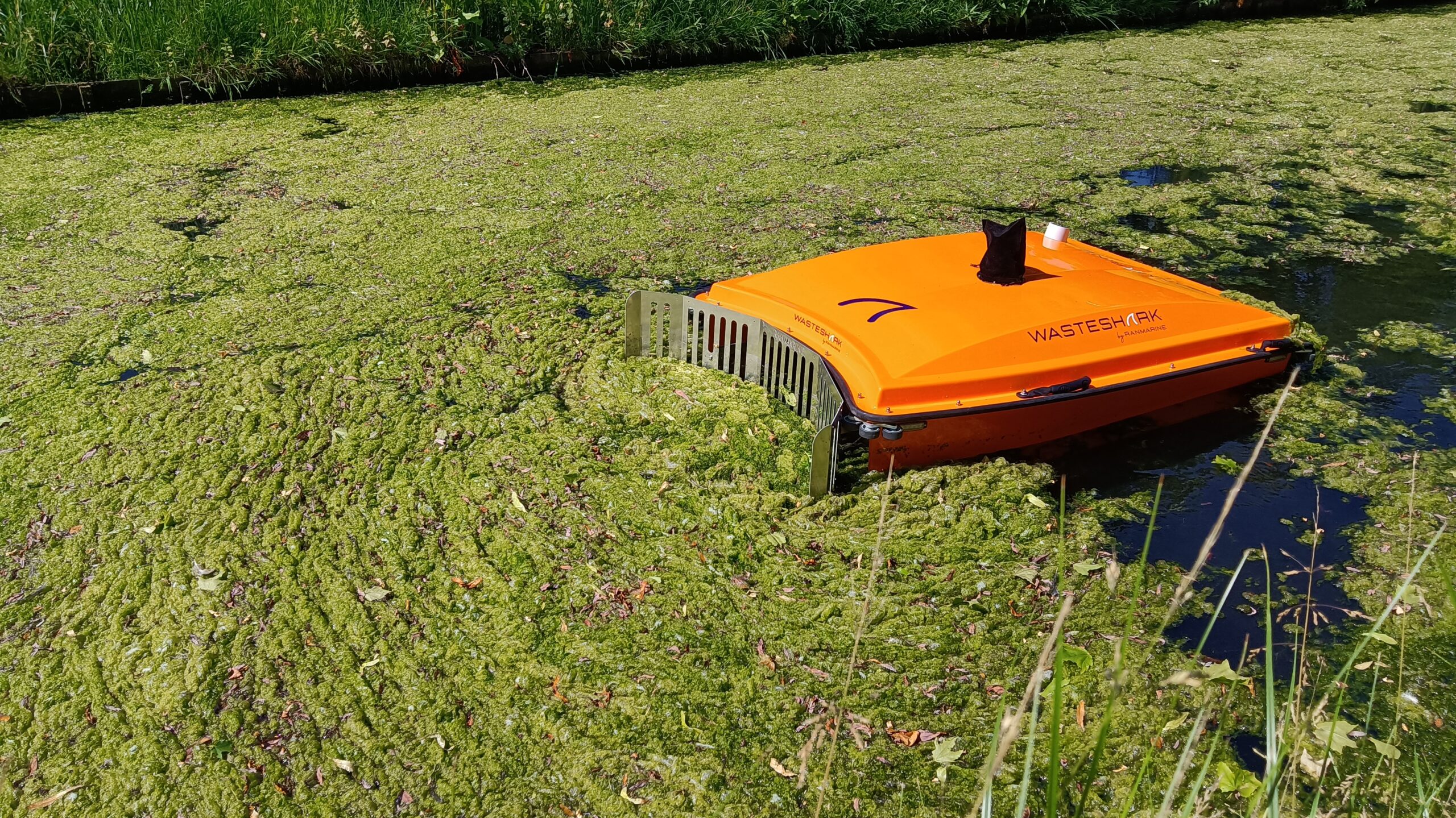
Monitoring provides the insight, but physical intervention delivers the solution. Targeting decaying organic matter, invasive duckweed, and excess surface biomass before sink-and-decay cycles begin is essential. Deployed in calm harbour environments, RanMarine’s vessel range provides continuous, zero-emission water maintenance.
- WasteShark+ and WasteShark+ Pro: Operate in tight marina slips, narrow urban canals, and shallow port waters to clear floating organic waste and excess biomass before it breaks down.
- MegaShark: Delivers higher-capacity surface clearance for larger commercial basins and heavy biomass accumulations.
- CyanoShark: Specifically engineered to tackle blue-green algae blooms. Using a chemical-free Staged Flow Treatment System (SFTS), the vessel ingests water from the upper layer, using ozone and UV illumination to neutralize cyanobacteria and breakdown toxins before returning clean, oxygenated water to the surface.
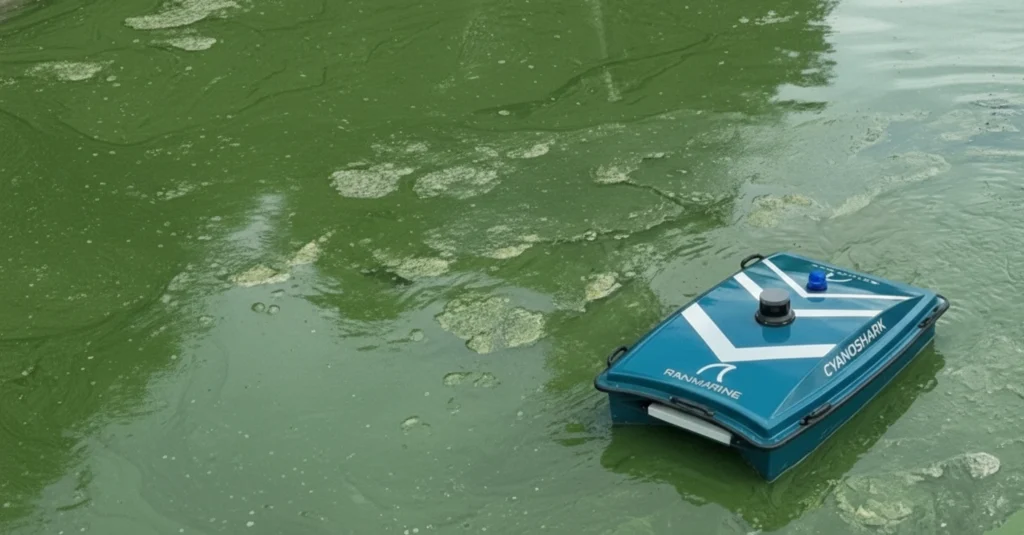
By clearing organic debris and neutralizing harmful blooms directly at the surface, autonomous surface vessels protect local dissolved oxygen levels and preserve harbour ecosystems.
Turning Ocean Science into Daily Action
The research supported by the German Ocean Foundation underlines a vital truth: protecting our waters relies on understanding micro-level changes in oxygen and algal activity.
With autonomous surface vessels and remote sensor payloads, ports and water authorities no longer need to rely on reactive clean-up or expensive lab schedules. Continuous monitoring and proactive skimming keep harbour waters clean, clear, and oxygenated.
Source Material Reference:
German Ocean Foundation Newsletter – UN Ocean Decade Activity updates and student research expeditions on oxygen deficiency and dead zones in the Baltic Sea. www.meeresstiftung.de