When a genius and an icon like Leonardo da Vinci looks to nature for inspiration in his designs and inventions, art and creativity, how could the rest of us even think about ignoring this wondrous three-billion-year history of evolution?
In his day, when Leonardo was roaming the countryside, strolling through the streets of Florence, or counting the branches on a tree, he embodied an intense curiosity about the natural world around him. It was a deeply embedded curiosita. Today we call it biomimicry.
Velcro is a much cited example of biomimicry (inspired by burdock burrs stuck in a dog’s fur), as is the flipper (inspired by ducks and their webbed feet), the submarine (whales), and Japan’s famous bullet train (the kingfisher). But none of these solutions actually do our environment any good.
Because when people look to nature to solve problems, shouldn’t nature herself benefit too?
We should all know by now that nature is in crisis. We’re facing food and water insecurity, melting ice caps, global warming from fossil fuels, deforestation, biodiversity loss, air pollution, and of course, plastic pollution. And that’s not even all of it.
But let’s look beyond the crisis of nature for a moment, and look to nature herself for the inspiration we need to solve the mess we’ve collectively made. As lovers of the ocean, we can’t help but dive under the waters for a closer peek at the plethora of magnificent creatures that live there as an example of extraordinary design.
The electric eel, for example, can produce enough electricity to light up to 10 light bulbs. Sea cucumbers clean the ocean (they eat anything that sticks to sand, take in the food, and then excrete the sand again, all nice and clean). Feather stars are almost walking plants that wave their ‘feathers’ around to move underwater. The blue dragon is a sea slug that floats upside down on the ocean waves. And basket stars, close relatives of starfish, use their many arms to create an intricate web to trap their prey.
And then of course, there’s the incredible fact that 76% of ocean creatures produce their own light. And still, we only know a tiny fraction of our ocean’s various species. New marine life is being discovered every day. How could we not be inspired to a da Vinci level of curiosity?
Biologist Frank Fish from West Chester University in Pennsylvania wins in biomimicry and sustainability for how he’s changing the way engineers think about aerodynamic design and inspiring the redesign of wind turbine blades that produce more energy more efficiently. And all this because Fish was captured by the unique design of humpback whales and their flipper bumps.
For EcoStp, their inspiration for zero power, zero chemicals, sewage treatment technology came from a cow’s own internal process. Nature’s genius empowered them to create a regenerative innovation that utilises the functional principles and strategies of microorganisms and the ecosystem found in a cow’s stomach. EcoStp’s patented technology treats sewage in a decentralised, self-sustainable way, without power, chemicals, or human intervention.
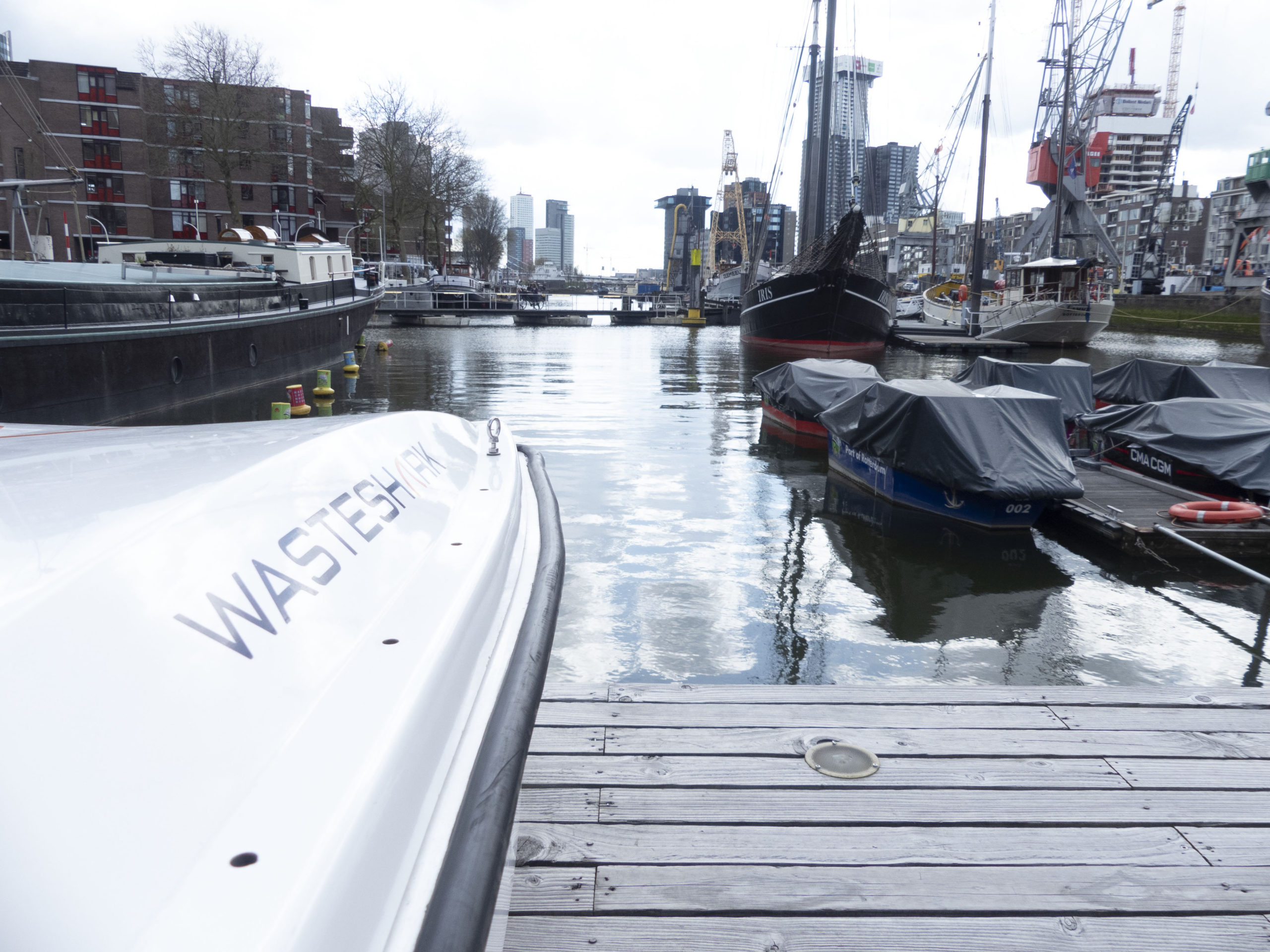
RanMarine’s waste-devouring WasteShark was inspired by the gentle and majestic giant of the ocean, the whale shark. A filter feeder, the whale shark swims with its mouth wide open, scooping up plankton and small fish as it moves slowly forward. And now its drone twin, the WasteShark, is also in our waters with its own wide-open mouth and voluminous belly, but its scooping up plastic pollution instead.
Richard Hardiman, CEO of RanMarine Technology, says it started at the V&A Harbour in Cape Town. Watching two people in a boat trying to battle plastic waste with nothing more than a pool net, he was struck by the futility of their efforts. Battling both tide and people’s inability to clean up after themselves.
‘When I later discovered this was standard practice in harbours all over the globe … and when I realised just how dire the marine plastic pollution crisis really is, I just knew I had to do better than that. We had to do better than that.’
The result is an autonomous aqua-drone that can collect up to 500kg of waste per day with a zero carbon footprint. It also harvests vital data about the health of the water. In fact, over 200 environmental sensors can be fitted onto one WasteShark, continuously reporting on vital facts to help us keep our waters healthy and protect the creatures living in it.
It’s a no brainer, when nature is our mentor, when nature is our inspiration, when we are truly connected, the sustainable solutions can be limitless.