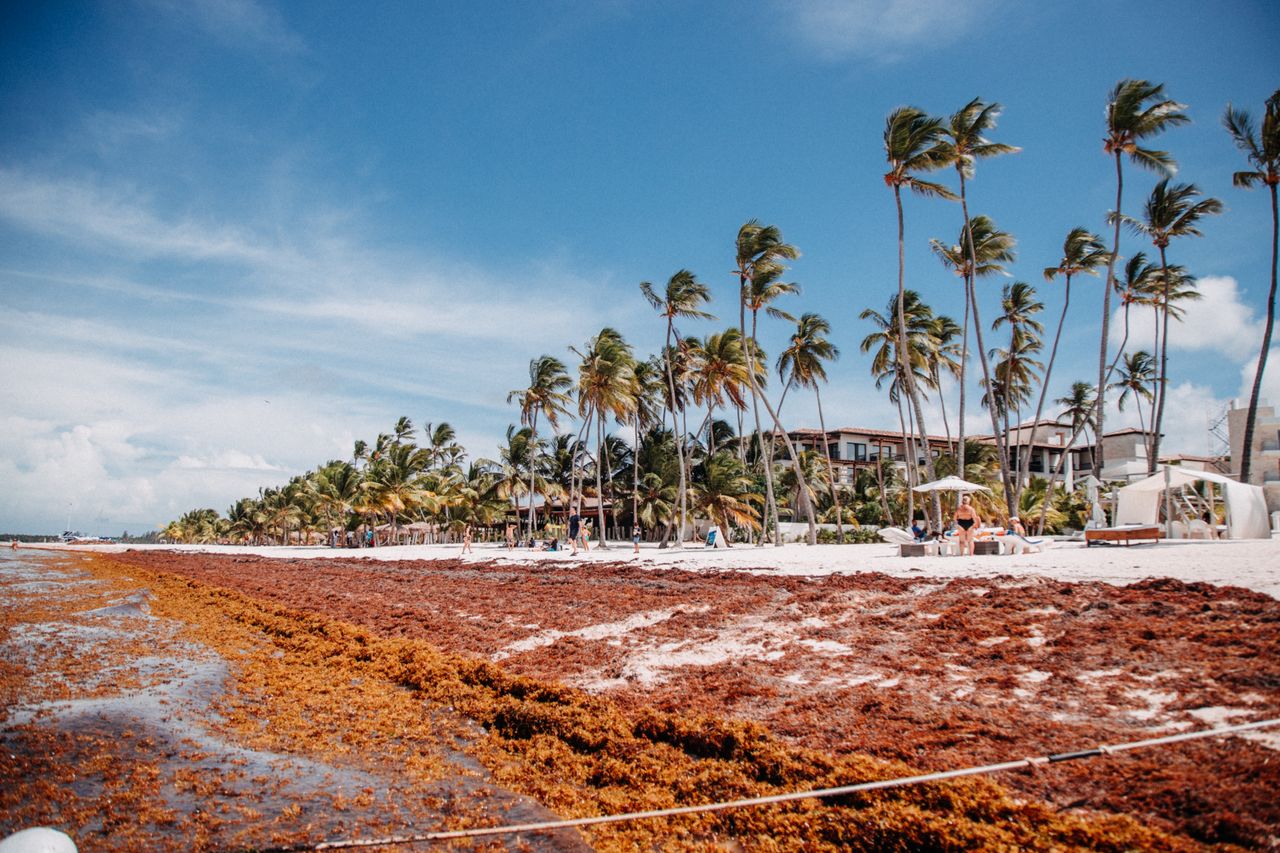
If you have worked in coastal hospitality for any length of time, you probably remember when seaweed was just a mild, seasonal nuisance. A heavy wash of brown algae on the beach meant sending out the grounds crew with rakes for a few mornings, but the white sand and turquoise water quickly returned.
Those days are behind us. Recent satellite data from NASA and commercial market intelligence from the travel sector confirm a reality that hoteliers on the ground already know all too well: Sargassum is no longer an occasional inconvenience. It has become a permanent risk factor for coastal destinations.
The View from Above: A Growing Ocean-Scale Challenge
Data captured by the Ocean Color Instrument aboard NASA’s PACE satellite, alongside long-term tracking from the University of South Florida Oceanography Laboratory, reveals that Sargassum biomass across the Atlantic reached near-record levels in June 2026. It stands as the second-highest total since satellite tracking began, surpassed only by the massive peak we saw in 2025.
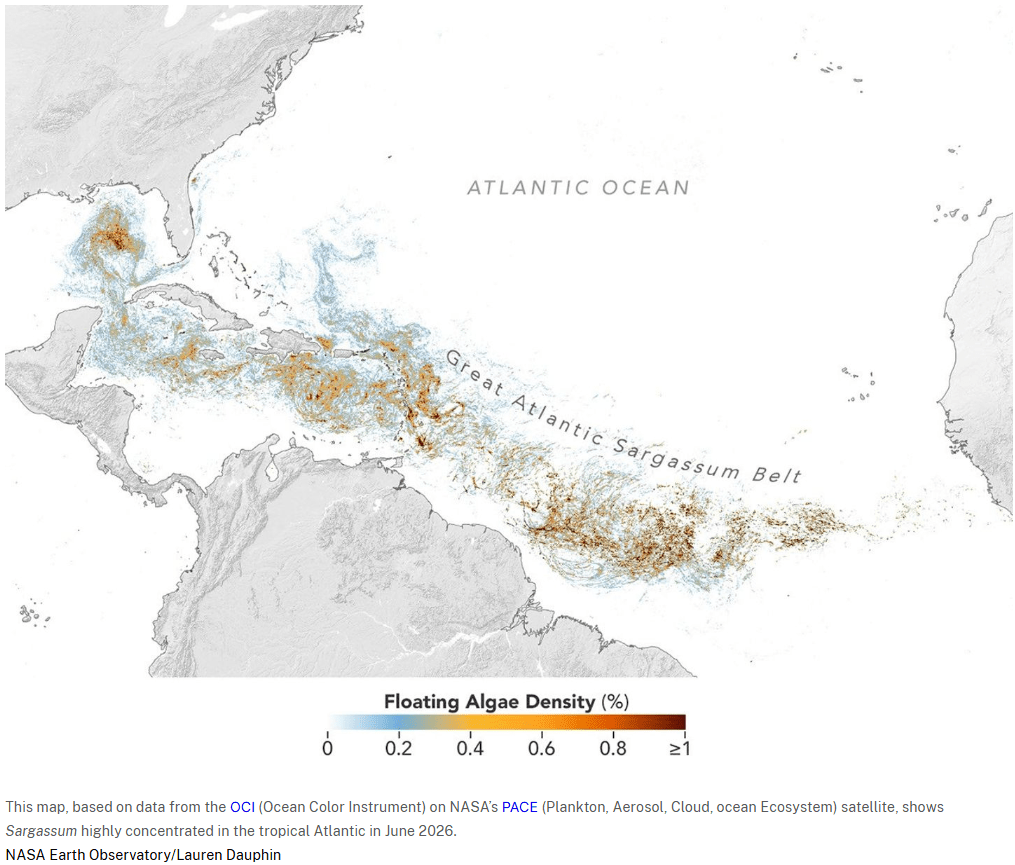
While the main belt stretches thousands of miles from West Africa to the Gulf of Mexico, coastal communities bore the brunt of the surge this summer:
- The Caribbean Sea: Reached all-time record highs, with 3.6 million metric tonnes of Sargassum recorded in the Western Caribbean and 9 million metric tonnes in the Eastern Caribbean.
- The Gulf of Mexico/America: Hit a record high of 5 million metric tonnes, which nearly doubled its previous record set just one year prior.
Driven by warmer ocean temperatures, nutrient runoff from major rivers, and shifting Atlantic currents, the Great Atlantic Sargassum Belt has more than doubled in size roughly every five years since 2011. Out in the open ocean, these floating mats are actually a force for good, providing a safe habitat for sea turtles, fish, and ocean birds. But when wind and tides push them into shallow, tropical shorelines, the story changes completely.
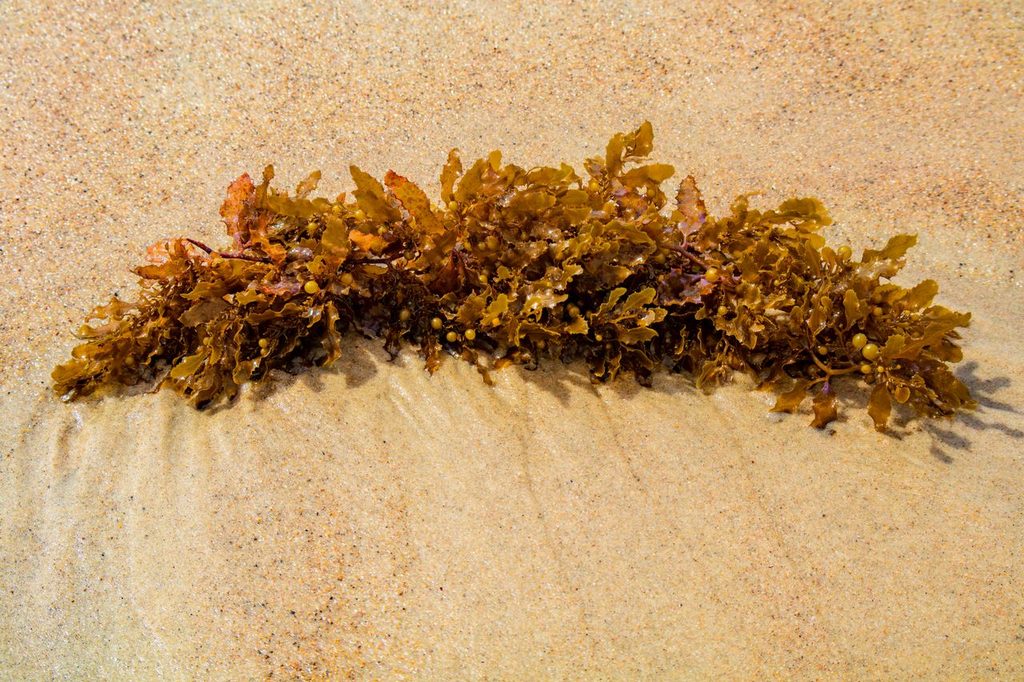
As the algae piles up along the beach, it smothers coral reefs and seagrasses. As it decomposes on the sand, it releases hydrogen sulfide, a gas with a strong rotten-egg smell that puts off holidaymakers, irritates eyes and lungs, and corrodes resort hardware like air conditioning units.
The View on the Ground: Falling Room Rates as Algae Rises
When you look past the space imagery and check the hospitality figures, it becomes clear how fast environmental shifts impact the bottom line.
Market data reported by Skift shows how heavy seaweed invasions directly hit occupancy rates and pricing power across popular tourist corridors:
- Occupancy Drop: In Quintana Roo, Mexico (which includes Cancún, Cozumel, and the Riviera Maya), hotel occupancy dropped to around 59 percent in early May 2026. That is a sharp fall from the 73.1 percent recorded during the exact same period the previous year.
- Heavy Discounting: To secure bookings for the summer season, some resort operators in Cancún slashed room rates by up to 40 percent.
- Escalating Costs: Keeping beaches presentable requires major investment. In Mexico alone, the Navy deployed specialized containment boats and over 7,500 metres of floating sea barriers to catch algae before it reached the sand.
When pristine beaches are your primary selling point, massive Sargassum arrivals force you to spend more on cleanup while charging less for rooms.
What Destination Managers and Hoteliers Can Do Next
Relying on manual beach raking after thousands of tonnes of seaweed have already made landfall is a losing battle. Once Sargassum hits the sand, the clock starts ticking before it decomposes and releases hydrogen sulphide gas. To keep waters swimmable, protect infrastructure, and defend room rates, coastal operators need to shift from passive clean-up to active, water-based prevention.
The most effective way to keep beaches clear is capturing algae while it is still floating off the coast. Combining passive sea barriers with targeted near-shore clearing keeps swimming zones, resort lagoons, and marina access points open. This is where modern marine tech comes in. Autonomous surface vessels like RanMarine’s larger-capacity units like the MegaShark designed for heavier biomass, offer a continuous, practical solution. Deployed around resort bays, private beaches, and marinas, these zero-emission ASVs quietly skim Sargassum right off the surface before it can sink, smother seagrass beds, or rot on the beach.
Hospitality and marina operators should also connect orbital satellite data directly with their on-the-water tech. By following tools like the South Florida Sargassum Watch System, site managers get early warning of incoming blooms. That gives teams enough time to position containment booms and launch autonomous skimmers exactly when and where the surge will hit.
Ultimately, deep room discounts erode brand equity and strain operating margins. By investing in proactive, high-tech water management, hoteliers can market guaranteed clean swimming zones and clear beaches, preserving their pricing power even during heavy Sargassum seasons.
Sources & References
- NASA Earth Observatory (July 2026): Sizing Up the Sargassum Belt, featuring satellite data from the Ocean Color Instrument (OCI) on the PACE satellite and research led by the University of South Florida (USF) College of Marine Science (Authors: Kathryn Hansen, Lauren Dauphin, Brian Barnes, Chuanmin Hu, Lin Qi).
- Skift (June 2026): Record Seaweed Levels Are Hitting Caribbean Beaches, Hotels Are Cutting Prices, reporting on hotel occupancy rates, pricing adjustments, and naval barrier responses across Mexico and the wider Caribbean region.