For decades, the narrative of plastic in our oceans was primarily one of observation. Since the first reports of plastic debris in the North Atlantic in the early 1970s, the scientific community has worked to understand the scale of synthetic materials in marine ecosystems. Today, the focus has shifted from merely documenting the problem to actively quantifying plastic research and solving it through a combination of traditional fieldwork and autonomous technology.
A Multi-Method Approach to Research
At the University of Toronto, the U of T Trash Team is at the forefront of this transition. Led by researchers such as Hannah de Frond, the team utilises a diverse “trash trap” fleet to manage debris in Toronto’s Inner Harbour.
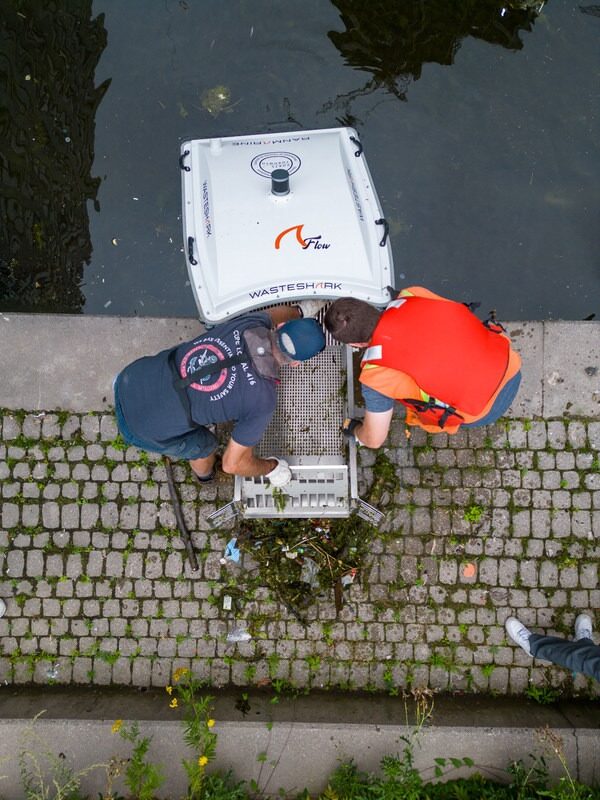
This fleet includes two RanMarine WasteSharks (named Ebb and Flow), which operate alongside other solutions such as pipe-end traps, floating booms and manual net collection. By using these technologies in tandem, the team can compare the efficiencies of different methods. This research is vital because it identifies which tools work best in specific conditions, allowing for a more strategic approach to cleaning urban waterways globally.
Turning Debris into Data
The WasteShark serves as a sophisticated bridge between remediation and research. While the drones autonomously remove physical waste, the team carefully analyses the “catch” to identify patterns, polymer types and sources of pollution.
This evidence-based approach moves the conversation beyond simple clean-up. By understanding exactly what is being caught; and which methods are most effective at catching it, the U of T Trash Team can provide the data necessary to inform policies that aim to turn off the tap on plastic entering the Great Lakes.
A Blueprint for Urban Harbours
This work builds on the foundations laid during the Canadian debut of the WasteShark in partnership with the Toronto Port Authority (PortsToronto). By integrating autonomous drones into a broader, specialised research framework, the U of T Trash Team is setting a blueprint for how major cities can monitor and protect their aquatic ecosystems using a data-driven, multi-tooled strategy.
Crucially, this programming feeds into the International Trash Trap Network; an initiative established alongside Ocean Conservancy, allowing groups worldwide to align their data collection efforts. For organisations looking to measure their own environmental footprint, you can visit the International Trash Trap Network to learn how to contribute to this growing global clean-up dataset.
Dive into the Data
To truly understand the transition from historical observation to modern intervention, we encourage our community to explore the team’s primary research. Their work provides a transparent look at the types of debris found in urban harbours and the comparative efficacy of modern trapping technologies.
- Explore the Research: Visit the U of T Trash Team’s Plastic Research to see how they categorise and track debris across their various collection methods.
- The Technology: Learn more about the mechanics of trash trapping and its role in modern harbour management.
- The Backstory: Read about the initial WasteShark launch with the Toronto Port Authority.