15-07-2026
Every so often, a set of statistics puts a number on a problem everyone already suspects is there. South Africa’s most recent Green Drop audit did exactly that for wastewater treatment: 396 systems nationally are now classified as critical or disqualified, up from 334 in the previous audit cycle. Only 14 municipalities achieved Green Drop certification, down from 22.
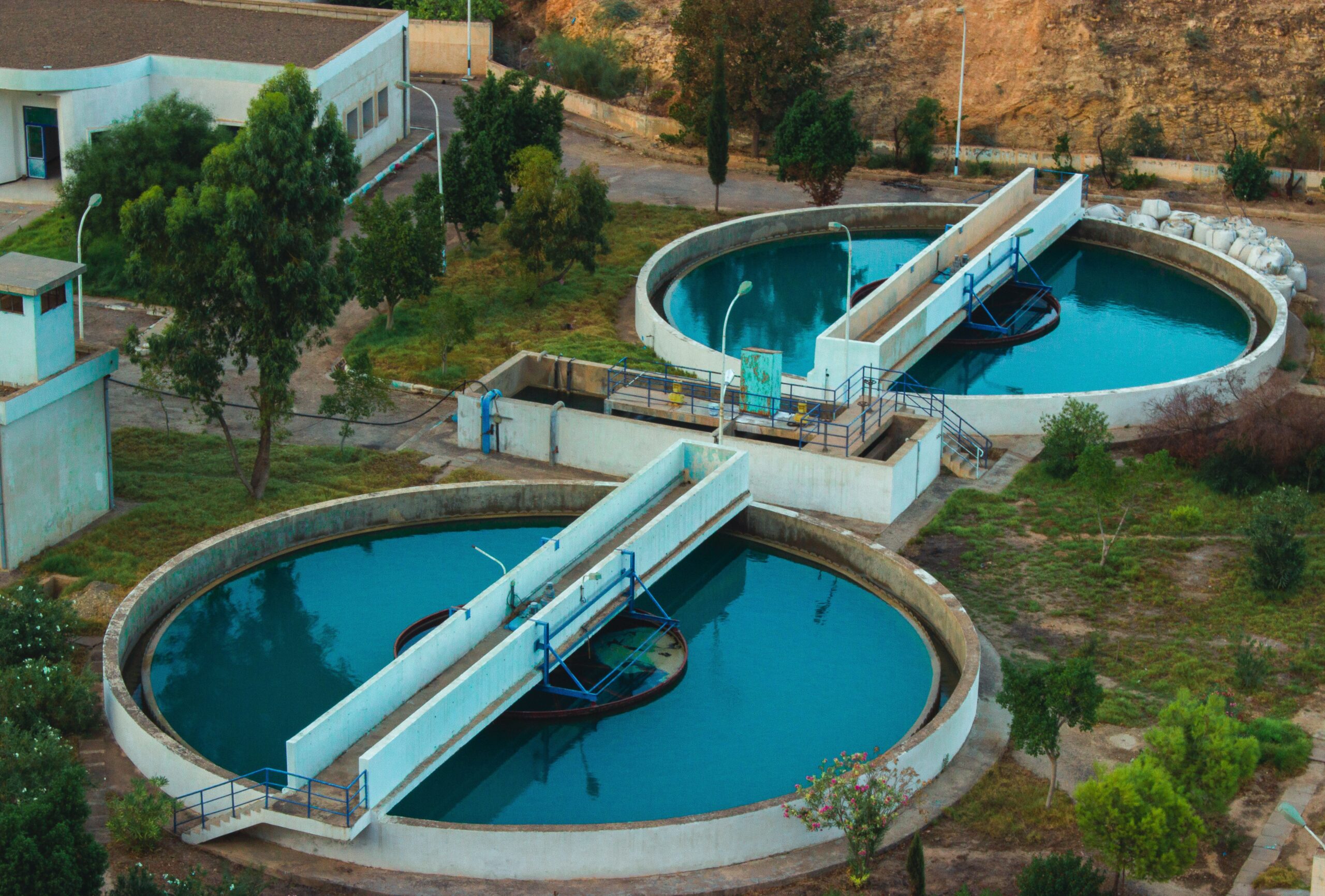
One case study brought the numbers to life. At the Warrenton wastewater treatment works in the Northern Cape, inspectors found only one of four aerators still operating, two with failed motors and one with a broken belt. The inflow was described as blackish and septic, and the plant recorded zero treatment compliance for its discharge into the Vaal River.
It’s worth being precise about what this story is, and isn’t. It’s an account of mechanical and operational failure inside a treatment plant, aerators, oxidation processes, skilled staffing, none of which is RanMarine’s world. Engineering firms are already responding to it directly, with a number now shifting back towards simpler, nature-based treatment systems, oxidation ponds and constructed wetlands, that are less dependent on continuous power and specialist maintenance than the mechanised plants many small municipalities were originally supplied with.
Why it’s still relevant to us
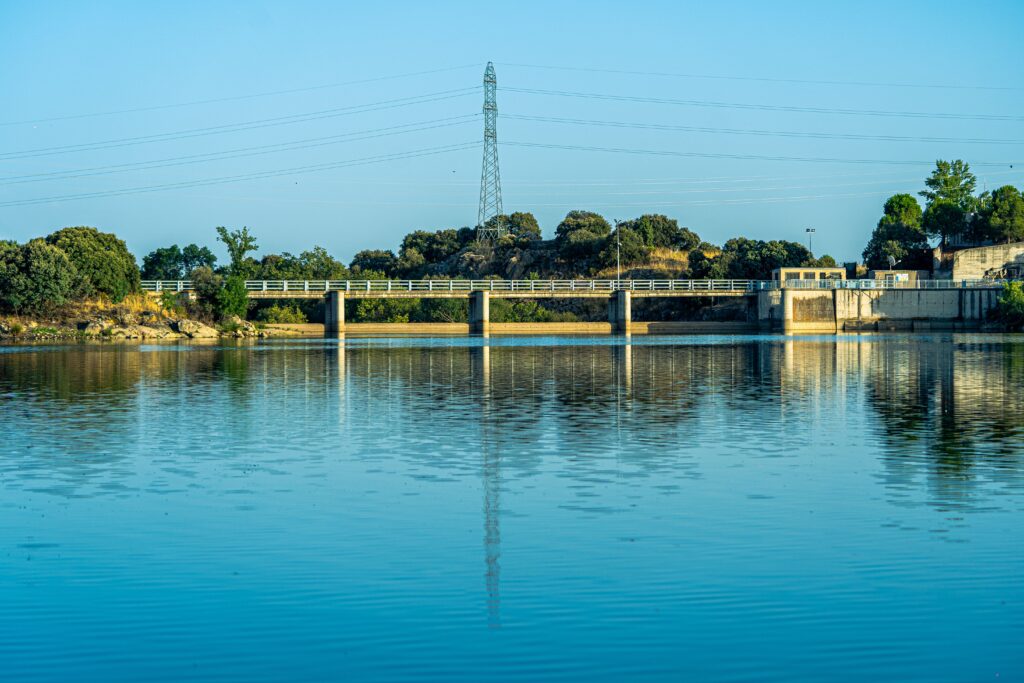
What this story does illustrate well is the broader position many emerging-market municipalities find themselves in: ageing or mismatched infrastructure, thin technical capacity, and public waterways, canals, ponds, dams, harbours, that still need to be kept usable, safe and presentable regardless of what’s happening upstream at the treatment works.
That’s a genuinely different problem to solve, but it’s one that sits closer to home. Municipal teams responsible for public canals, ponds and waterfronts are almost always working with stretched budgets and small crews, expected to keep water features clean, swimmable and compliant, often without the resources to add headcount or specialist contractors every time conditions change.
It’s the same resource-constrained reality driving the shift back to simpler treatment technology upstream. Downstream, on the water body itself, that reality is why we built the WasteShark and WasteShark+ to be operated by a single trained person rather than a full crew, and to be redeployed across multiple sites in a single shift rather than tied to one location. It’s also why CyanoShark exists specifically to manage cyanobacteria and harmful algal blooms, conditions that tend to worsen wherever nutrient loading is already high, without requiring chemical dosing or a specialist water treatment team on site.
Two different layers, one shared pressure
None of this replaces the infrastructure investment municipalities need at the treatment works. That’s a longer, more capital-intensive conversation, and rightly one for engineers, government and utilities to lead.
What we’d argue is that the pressure showing up in reports like the Green Drop audit isn’t confined to the treatment plant. It’s a system-wide resource constraint, and it shows up just as clearly in how municipalities manage the public water bodies their communities actually see, swim in, and hold them accountable for. Waiting for upstream infrastructure fixes before addressing that visible layer isn’t realistic, and it doesn’t need to be the choice councils are forced to make.
If your municipality is managing public waterways with a stretched budget and a small team, that’s exactly the gap our Councils & Municipalities solution is built around, get in touch to talk through what that could look like for your sites.