PortsToronto’s Trash Trapping Program has emerged as a beacon of environmental innovation, showcasing how technology and collaboration can effectively combat waterway pollution. Since its inception in 2019, the program has made significant strides in removing plastic debris and other contaminants from Toronto Harbour, preventing these pollutants from reaching Lake Ontario and beyond.
A Multifaceted Approach to Pollution Control
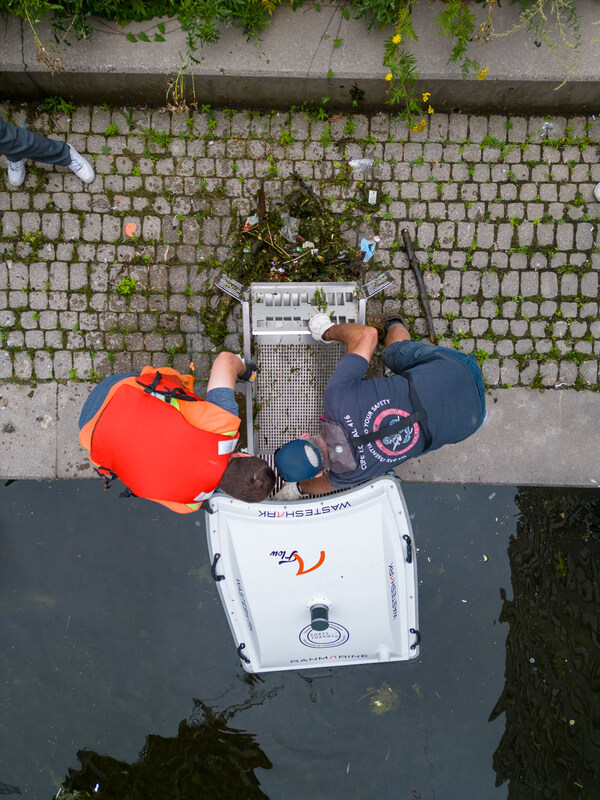
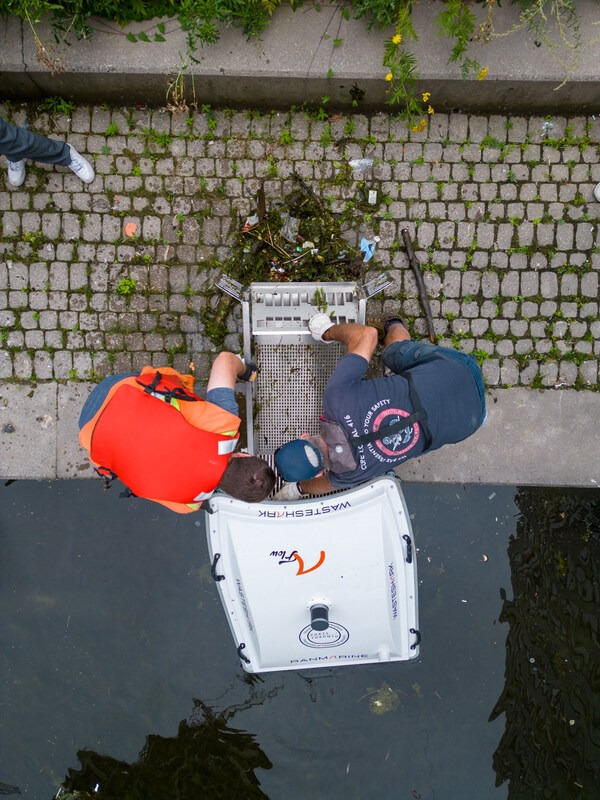
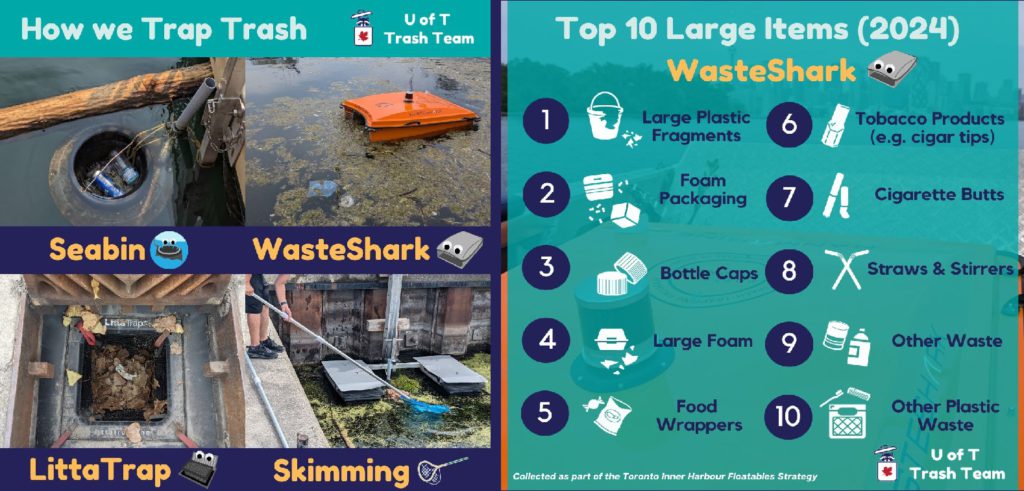
The Trash Trapping Program utilizes a combination of advanced technologies and manual efforts to address the pervasive issue of floating debris. Key tools include Seabins, WasteShark aquadrones, and LittaTrap catch basin filters. Seabins, essentially floating garbage bins, are deployed at strategic locations along Toronto’s waterfront to suck in trash from the water’s surface. WasteSharks, nicknamed “Ebb” and “Flow,” are remote-controlled aquadrones that skim the water for floating debris. Meanwhile, LittaTraps are installed in storm drains to capture plastics before they even enter the waterways.
Complementing these technologies is manual skimming, which involves physically removing large debris and invasive plants that accumulate microplastics. Together, these efforts have created a robust system for intercepting waste at multiple points along its journey to the lake.
Impressive Results
The program’s achievements speak volumes about its effectiveness. Between May and October 2024 alone, over 600 kilograms of anthropogenic debris—waste created by human activities—were removed from Toronto Harbour. This included more than 100,000 small pieces of plastic, such as bottle caps, foam fragments from food containers, cigarette butts, and even larger items like fatbergs. In earlier years, similar efforts removed tens of thousands of pieces of plastic annually, underscoring the program’s consistent impact.
Notably, the introduction of WasteSharks in 2023 proved particularly effective. In just three trials during their pilot phase, these aquadrones collected approximately 20 kilograms of marine debris. Combined with ongoing efforts by Seabins and other devices, the program has become a critical tool in reducing microplastics and other pollutants in Toronto’s waterways.
Research-Driven Innovation
A cornerstone of the Trash Trapping Program is its partnership with the University of Toronto Trash Team (U of T Trash Team). Researchers from the team meticulously analyse the materials collected by trash traps to identify sources and trends in pollution. This data-driven approach not only informs solutions-based research but also supports policy changes aimed at reducing waste at its source.
For instance, researchers have identified that much of the floating debris originates from stormwater run-off, industrial activities, and improperly managed waste bins near water edges. Insights like these have led to targeted community outreach programs designed to increase waste literacy and encourage better disposal practices.
Expanding Impact Beyond Toronto
The success of PortsToronto’s initiative has inspired similar programs across the Great Lakes region and beyond. As part of the International Trash Trapping Network led by Ocean Conservancy and U of T Trash Team, lessons learned from Toronto are being applied globally to combat plastic pollution in urban waterways.
Moreover, PortsToronto’s efforts align with broader strategies like the Toronto Inner Harbour Floatables Strategy. This collaborative framework brings together various stakeholders to reduce floating litter through innovative methods and strategic placement of trash traps.
Looking Ahead
As the program enters its seventh year in 2025, PortsToronto is set to expand its capabilities further. Plans include adding three new fixed trash-trapping devices to its existing fleet of seven Seabins and two WasteSharks. These additions will enhance coverage along Toronto’s waterfront and Outer Harbour Marina.
The continued success of this initiative underscores the importance of collective action in addressing environmental challenges. By combining cutting-edge technology with research-driven strategies and community engagement, PortsToronto is not only cleaning up local waterways but also setting a global example for sustainable urban water management.
Read the original full story here.