March 2, 2026 Read Time: 3 minutes
For decades, the solution to plastic pollution has been recycling. But as many of us now know, most plastic, even the stuff we put in the green bin, ends up in our oceans. Once there, it can take hundreds of years to break down. Even biodegradable plastics often require industrial heat to actually disappear.
However, a team of researchers at the RIKEN Centre in Japan has just unveiled a “holy grail” material that could change everything. It is called CMCSP, and unlike the plastic in your water bottle, this material is designed to literally dissolve in seawater within hours.
What is CMCSP?
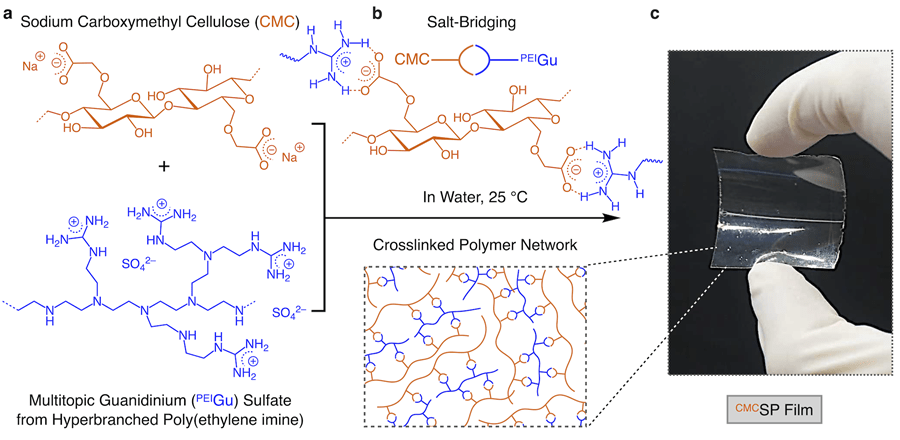
CMCSP stands for Carboxymethyl Cellulose Supramolecular Plastic. While the name is a mouthful, the ingredients are surprisingly simple. It is made primarily from cellulose, which is the main substance in the walls of plant cells, and Choline Chloride, a common nutrient often added to chicken feed.
According to a recent report by Earth.com, this material represents a major shift because it focuses on how materials actually behave once they leave our hands and enter the environment.
Why is this different from biodegradable plastic?
Most eco-friendly plastics you see today are made of a material called PLA. While PLA comes from corn, it is stubborn. If a PLA straw ends up in the cold ocean, it behaves almost exactly like traditional plastic, sticking around for decades.
The CMCSP Difference:
The Salt Key: This new plastic is held together by ionic bonds or salt bridges. You can think of it like a Lego structure held together by magnets rather than glue.
The Ocean as a Solvent: When this plastic hits salt water, the sodium and chloride ions in the ocean act like a key. They move into the plastic’s structure, unlock those magnetic bonds, and cause the entire thing to fall apart into harmless, plant-based molecules in a matter of hours.
Edible and Safe: Because the ingredients are plant-based and food-grade, if a fish or sea turtle accidentally eats a piece before it fully dissolves, it is non-toxic and safely digestible.
The Stretchy Breakthrough
Earlier versions of this plant-based plastic had a major flaw: they were as brittle as glass. You could not make a grocery bag out of something that shattered when you dropped it.
The most recent update to this story is that the researchers have figured out how to make it stretchy. By adding a specific plasticiser, they created a material that can stretch to over double its original length while remaining strong enough to carry heavy groceries. They have already successfully demonstrated this by creating lightweight, clear plastic bags for fruits and vegetables.
When will we see it?
While the science is proven, the challenge now is scaling up. The researchers are currently looking for manufacturing partners to turn this laboratory success into mass-produced bags, food packaging, and straws. Because it uses abundant plant materials, it has the potential to be much cheaper than other high-tech green plastics once it hits the factory floor.
<The full study is published in the Journal of the American Chemical Society.>