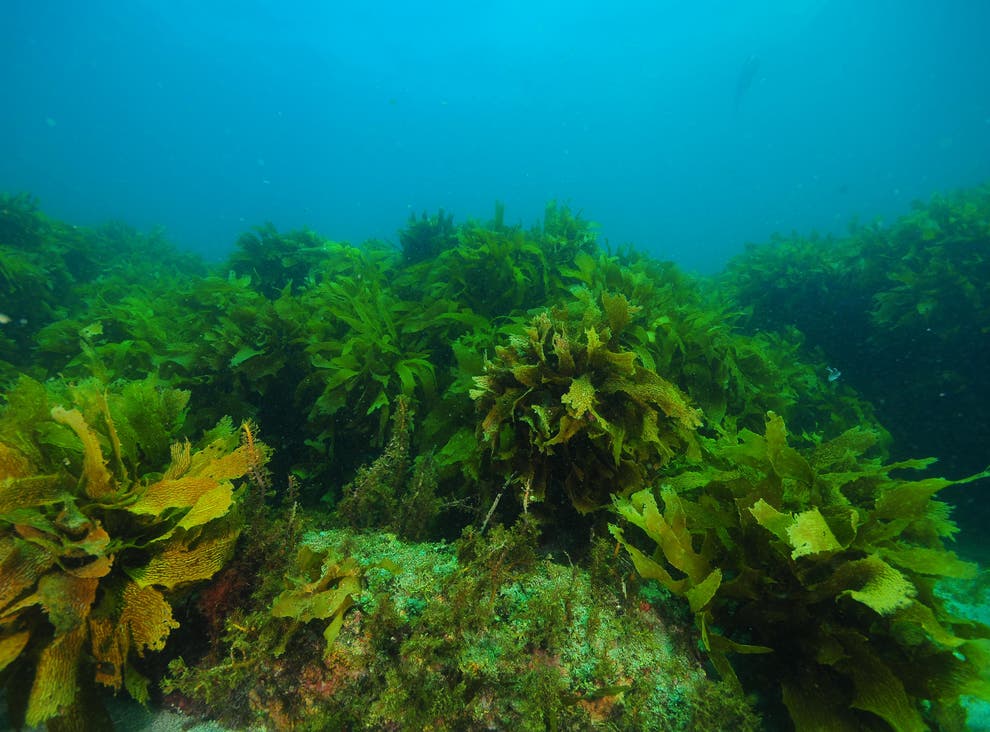
Could algae be the sustainable food of the future?

Is now the time to get on board with eating the vegetables of the ocean, asks Lauren Taylor

Figuring out how we can eat more sustainably is going to be an ongoing issue as the world becomes more populated and the climate crisis intensifies. And, from munching on protein-packed insects to lab-grown meat, greener (and animal welfare-conscious) alternatives are being explored – the latest being algae.

It should be no surprise, really, that as we’ve well and truly exploited what’s on land, we were destined to delve further into the sea. But with environmentalists warning of the devastating impacts of overfishing, one expert suggests we need to eat the food from the bottom of the ocean, rather than the top.

Patricia Harvey, professor of biochemistry and head of bioenergy research at the University of Greenwich, says: “We’ve learned on land to eat the vegetables, we haven’t yet learned with regards to the ocean how to eat the vegetables – the algae.”
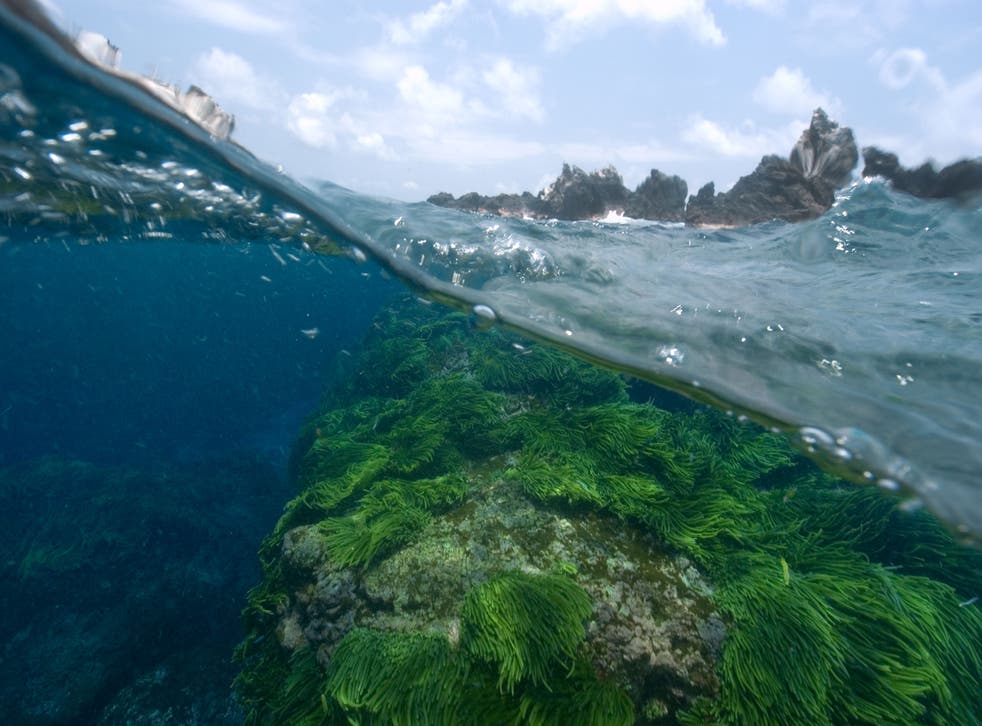
<p>Algae contains pro vitamin A and omega 3 polyunsaturated fatty acid</p>

What is ‘ocean flexitarianism’?

It’s a new concept which asks that – like “flexitarianism” or “casual vegetarianism” where people eat a mostly plant-based diet with some meat occasionally – we eat more vegetables from the ocean than fish.

Algae is the umbrella term for a huge, diverse group of aquatic organisms, found in both fresh and seawater, that conduct photosynthesis to generate oxygen. One form of algae most people are familiar with is seaweeds, such as nori and kelp, and Japanese diets in particular include several types. But Harvey believes the untapped potential in sustainable food sources in the ocean is huge.

Why is eating algae sustainable?

“We know we’ve got to feed a lot more people by 2050, the population is growing, and we also know that if we keep on putting intensive agriculture on the land, we’re going to completely screw up the biodiversity,” says Harvey. But we can’t simply turn to the ocean as we are, because we typically eat carnivorous fish like tuna and cod.

“About 70 per cent of the Earth is covered in water and about 97 per cent of that water is ocean. If we just dive into the ocean to feed all those people, if we then turn to the ocean to [only] eat the carnivores, we’ll then mess up the ocean. That’s why it’s incredibly important to get more people to grips with eating algae, the vegetables, at the bottom of the ocean. So we can get a sustainable exploitation of the ocean to feed more people.”

Read full article Independent.co.uk

more news

How autonomous surface vessels and real-time sensors tackle “dead zones” by neutralizing toxic algae and skimming decaying organic biomass.
Discover how record-breaking Sargassum seaweed levels in 2026 are impacting Caribbean tourism, room rates, and resort operations.
How an idea hatched in a Cape Town quayside became a fleet of autonomous robots cleaning waterways worldwide, and why real sustainability only works with a sound business model behind it.
Türkiye is using constructed wetlands to fight nutrient pollution and algal blooms, but the results show why active water monitoring still matters.
What South Africa’s Green Drop crisis tells us about the pressure on public waterways, and why the gap between treatment plant infrastructure and the water people actually see matters.

Ready to see our shark in action?

Get in touch for a live virtual demo or a quote.
Our team is ready to help.

Trusted by Port Authorities and Facilities Management Teams across the globe

Proven technology. Global Impact.

Don’t just take our word for it. Explore our case studies to see how our customers use data-driven autonomy to create cleaner, safer waters around the world.

PortsToronto

PortsToronto’s Trash Trapping Programme added WasteSharks to supplement their harbour cleanup efforts, removing plastic debris from Toronto harbour

Hudson River Park

Combining hands-on plastic removal with hands-on public education, turning a 400-acre Estuarine Sanctuary into a living classroom for cleaner water

Love Boat

Maintaining water quality in Italian harbours, marinas and inland waters to meet tourist standards whilst protecting the environment in a cost- and labour-efficient manner

Our Technology

Advanced robotics designed to clean, monitor, and restore marine environments.

WasteShark

Manual & Accessible

The essential tool for calm waters

WasteShark +

Built for Professionals

Power and speed for marinas & ports

WasteShark + Pro

Intelligent Autonomy

LiDAR guided cleaning with data capabilities

CyanoShark

Harmful Algae Solution

Specialized filtration to remove harmful blooms and biomass

MegaShark

Industrial Capacity

Heavy-duty waste removal for ports and large waterways

RanMarine Connect

Unified Data Platform

Real-time water quality monitoring and fleet management

Talk to Us

Tell us what you’re dealing with, we’ll help you find the right solution.

Cleaner waters, delivered to your inbox.

Join 2,000+ subscribers receiving the latest updates on marine technology and sustainability.

Schedule your demo

Book your 30-minute live demo with a RanMarine specialist.
(Subject to location and availability)

Request your brochure

Please select the product or data service of interest below to receive the technical documentation.

Submit a Support Ticket