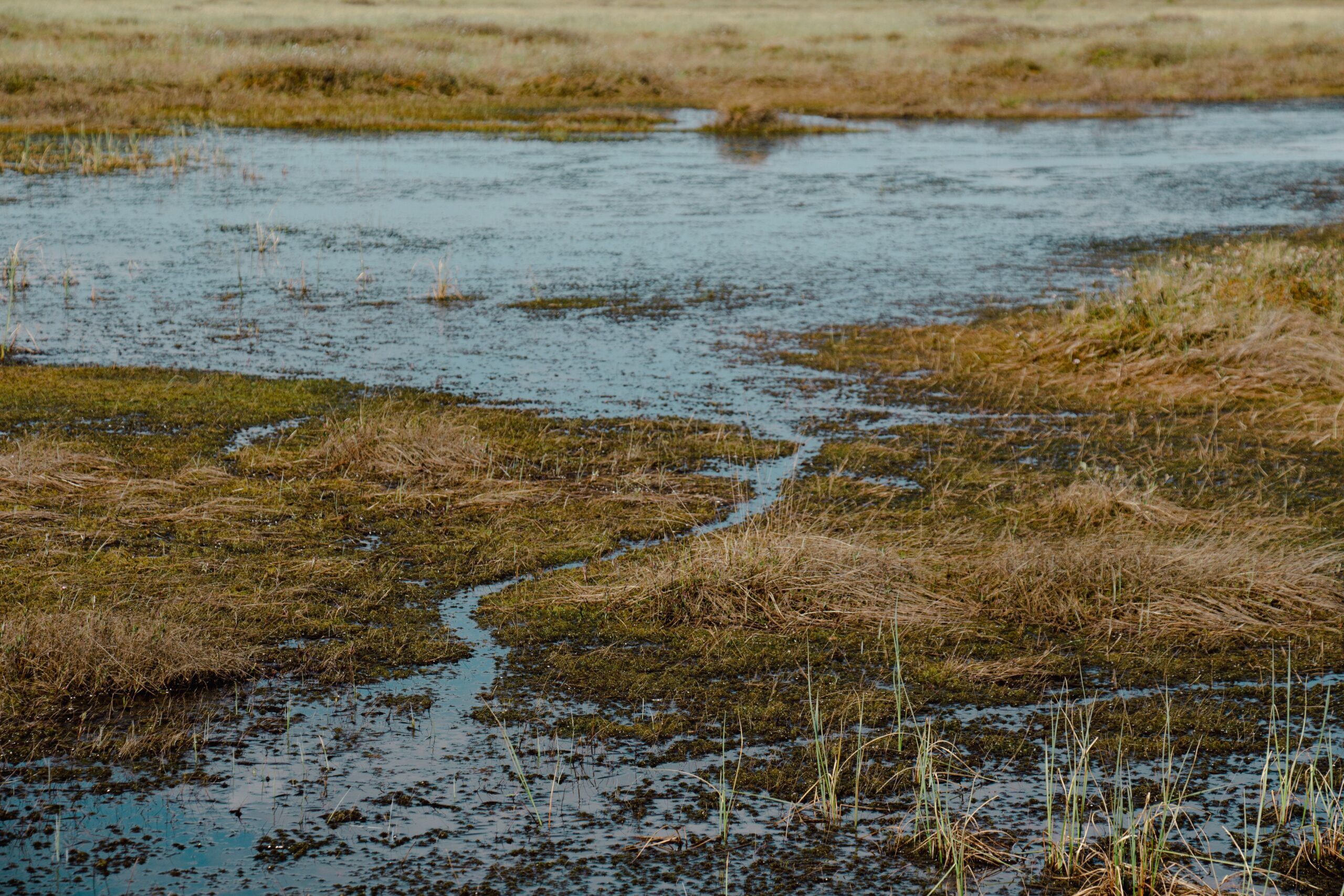
August 2026 – Türkiye’s rural water crisis is a familiar one: ageing or absent sewage infrastructure means nutrient-rich runoff, from septic tanks, agriculture and industry, flows straight into rivers and coastlines. The result is eutrophication and toxic algal blooms, and a government now actively promoting constructed wetlands as a low-cost, low-energy alternative to conventional treatment plants.
What?
On paper, it’s a smart fix. Wetlands filter, absorb and break down nutrients using nothing more than gravel, plants and microorganisms, at a fraction of the infrastructure cost. But H2O Global News’s own reporting (Issue 19, August 2026) is candid about the results so far: over three-quarters of the constructed wetlands in Kayseri Province weren’t operating properly, largely down to poor site selection, inadequate initial materials, inaccurate projections during design, and a shortage of skilled staff for ongoing monitoring and maintenance.
That’s the part worth sitting with. Nature-based solutions are only as good as the oversight behind them. A wetland, like any water body, can quietly slip into decline (nutrient overload, dead zones, cyanobacteria blooms) long before it’s visible from the bank.
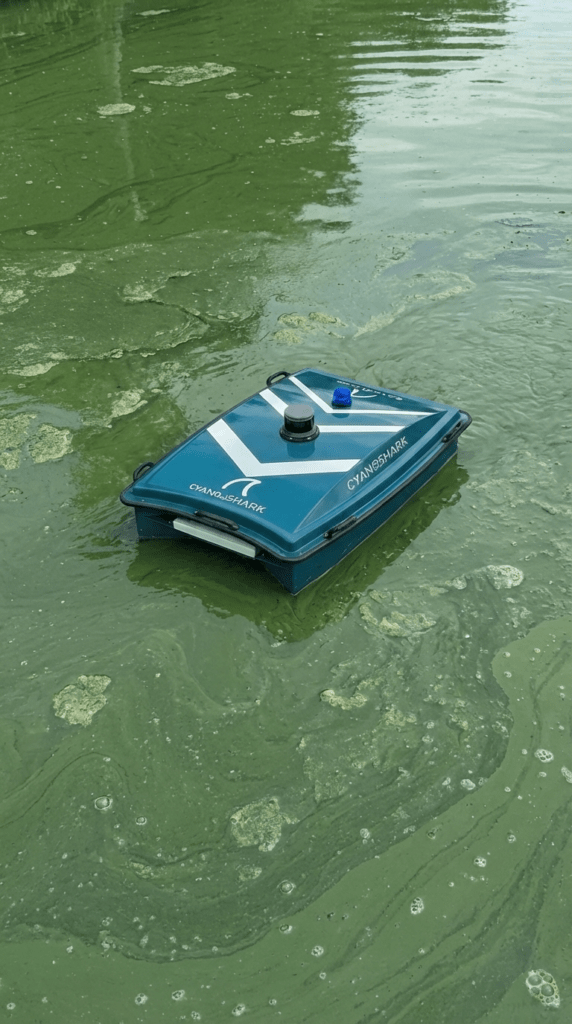
A potential solution
This is exactly the gap autonomous monitoring closes. CyanoShark is built to detect and respond to the early signs of harmful algal blooms in real time, giving operators the situational awareness that passive infrastructure alone can’t provide. Constructed wetlands don’t need replacing; they need active partners keeping watch over them.
<Original story: “Nutrient Removal with Türkiye’s Constructed Wetlands”, Martyn Shuttleworth, H2O Global News, August 2026>