Axis Global Comms – United Arab Emirates
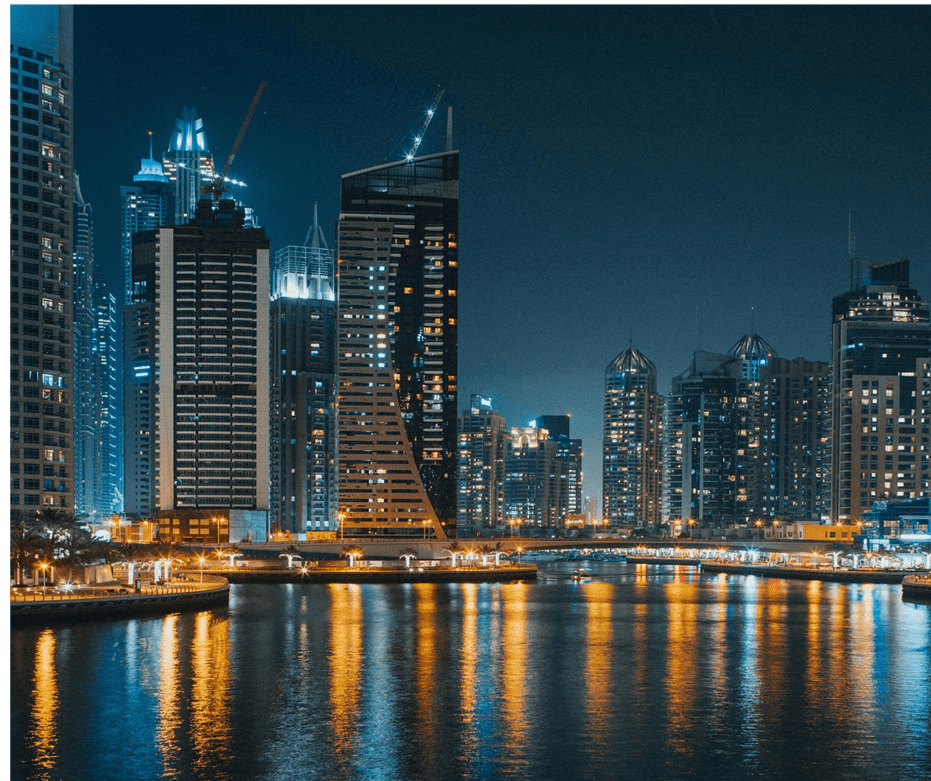
Image: Dubai, UAE
Across the globe, urban centers designated as “smart cities” are increasingly turning to cutting-edge technologies to address the complex challenges of urban waterway management. Among the most promising innovations is the Autonomous Surface Vessel (ASV), a robotic solution poised to revolutionize how cities maintain the health and cleanliness of their canals, rivers, harbors, and other aquatic environments.
ASVs represent a significant leap forward from traditional waterway maintenance methods, which are often costly, labor-intensive, and environmentally disruptive. These vessels are designed to autonomously navigate urban waterways, removing floating debris, controlling unwanted biomass, and contributing to the overall aesthetic appeal of the cityscape. Their compact size and remarkable maneuverability allow them to access areas that are difficult or impossible for larger boats or manual cleaning crews to reach, such as narrow canals, under bridges, and around moored vessels.
Beyond their impressive cleaning capabilities, ASVs offer a wide range of potential benefits for smart city initiatives. One of the most exciting possibilities is their capacity to serve as mobile platforms for environmental monitoring. Equipped with a suite of sensors, these vessels could collect valuable data on water quality parameters such as temperature, pH and dissolved oxygen. This information would provide city managers and environmental agencies with a more comprehensive and up-to-date understanding of the health of their waterways, enabling them to make more informed decisions about pollution control, resource management, and infrastructure investments.
The likely ability to gather detailed water quality information using ASVs represents a significant step forward in urban environmental management. This potential for data collection aligns perfectly with the smart city ethos of leveraging technology to improve decision-making and optimize resource allocation.
In addition to their environmental and data-gathering benefits, ASVs offer economic advantages for cities. Their autonomous operation reduces the need for human labor, leading to lower operating costs and greater efficiency. ASVs can operate near continuously, well beyond the standard 9-to-five model, allowing for consistent waterway maintenance without the constraints of traditional work schedules. This continuous operation can be particularly valuable in cities with busy waterways that require constant attention.
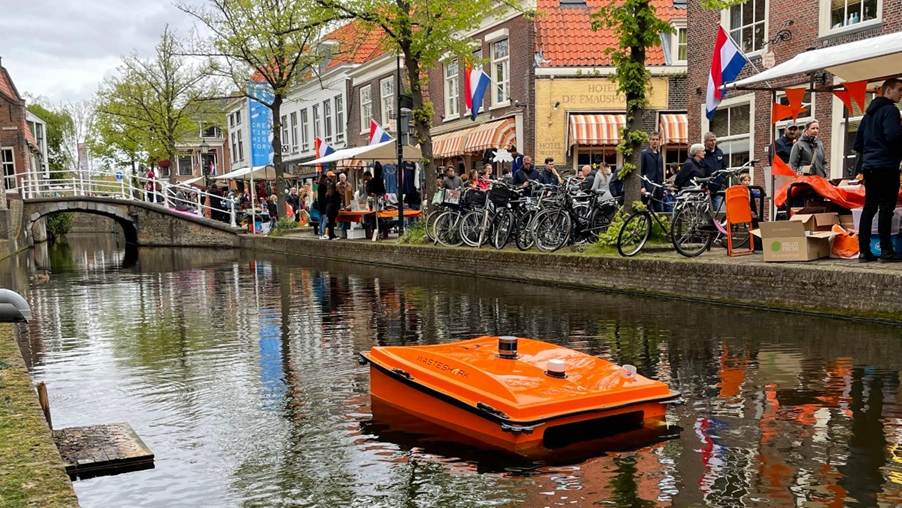
Image: WasteShark in Delft canals, the Netherlands
Furthermore, the use of ASVs can enhance the image of a city as a forward-thinking and environmentally responsible destination. Clean, healthy waterways contribute to the overall quality of life for residents and visitors alike, boosting tourism, property values, and civic pride. By investing in ASV technology, smart cities can demonstrate their commitment to sustainability and innovation, attracting businesses, talent, and investment.
The adoption of ASVs is still in its initial stages, but the potential benefits are clear. As technology advances and cities continue to embrace the smart city model, ASVs are likely to play an increasingly important role in urban waterway management. These robotic vessels represent a promising solution for creating cleaner, healthier, and more sustainable urban environments for generations to come.
As cities grapple with the challenges of urbanization, climate change, and environmental degradation, the need for innovative solutions has never been greater. ASVs offer a unique combination of environmental, economic, and social benefits, making them a valuable asset for any smart city seeking to improve the health and sustainability of its waterways. These vessels are not just cleaning up trash; they are helping to build a brighter, more sustainable future for urban communities around the world.