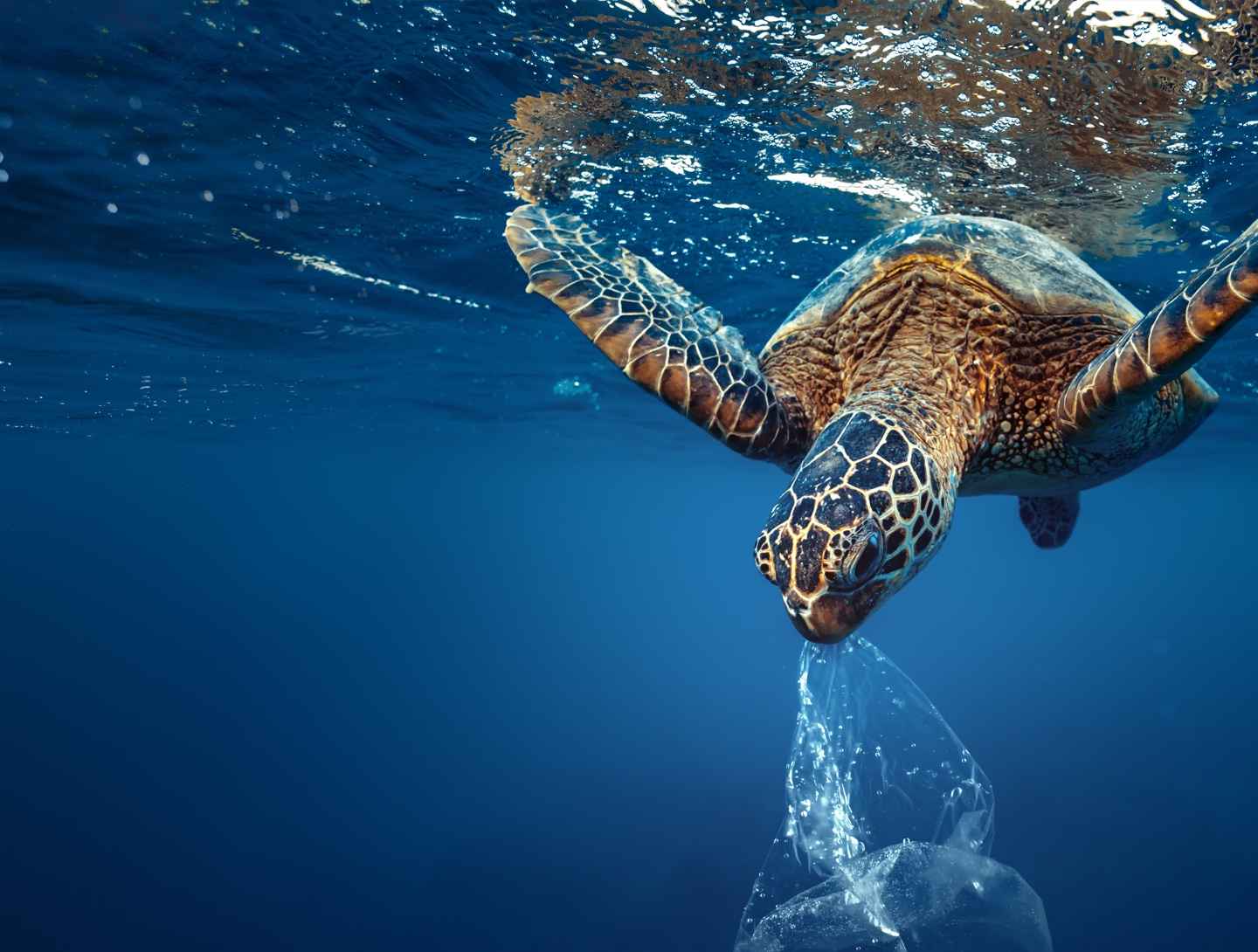
Our planet is drowning in plastic

Our planet is drowning in plastic pollution it’s time for change!

While plastic has many valuable uses, we have become addicted to single-use or disposable plastic — with severe environmental consequences.

Around the world, one million plastic drinking bottles are purchased every minute, while 5 trillion single-use plastic bags are used worldwide every year. In total, half of all plastic produced is designed to be used only once — and then thrown away. Plastic waste is now so ubiquitous in the natural environment that scientists have even suggested it could serve as a geological indicator of the Anthropocene era.

Plastics including microplastics are now ubiquitous in our natural environment. They are becoming part of the Earth’s fossil record and a marker of the Anthropocene, our current geological era. They have even given their name to a new marine microbial habitat called the “plastisphere”.

So how did we get here?

From the 1950s to the 1970s, only a small amount of plastic was produced, and as a result, plastic waste was relatively manageable.

However between the 1970s and the 1990s, plastic waste generation more than tripled, reflecting a similar rise in plastic production.

In the early 2000s, the amount of plastic waste we generated rose more in a single decade than it had in the previous 40 years.

Today, we produce about 400 million tonnes of plastic waste every year.

We are seeing other worrying trends. Since the 1970s, the rate of plastic production has grown faster than that of any other material. If historic growth trends continue, global production of primary plastic is forecasted to reach 1,100 million tonnes by 2050. We have also seen a worrying shift towards single-use plastic products, items that are meant to be thrown away after a single short use.

Approximately 36 per cent of all plastics produced are used in packaging, including single-use plastic products for food and beverage containers, approximately 85 per cent of which ends up in landfills or as unregulated waste.

Additionally, some 98 per cent of single-use plastic products are produced from fossil fuel, or “virgin” feedstock. The level of greenhouse gas emissions associated with the production, use and disposal of conventional fossil fuel-based plastics is forecast to grow to 19 per cent of the global carbon budget by 2040.


Read full article on this link 

more news

The Data Vacuum: Why the EU is Calling for a Digital Revolution for Water

Explore how the EU’s May 2026 Digital Action Plan is transforming water management. Discover why real-time pollutant detection and autonomous IoT tech are the new standards for a Water-Smart Society.

From Observation to Action: The Evolution of Plastic Research

Discover how the University of Toronto Trash Team combines autonomous technology with manual collection to research, quantify and combat plastic pollution in the Great Lakes.

RanMarine Technology Appoints Michael Foss as CEO, as Founder Richard Hardiman Becomes President to Lead Product and Innovation 

Leadership realignment positions company for next phase of global growth and capital markets readiness

WasteShark vs Traditional Skimmer Boats: Which Solution Is Best for Modern Waterway Clean-up?

While conventional boats handle heavy-duty trash tasks, marine robotics offer compelling advantages for daily maintenance, environmental monitoring, and sustainability.

RanMarine Joins Green Marine: A Strategic Partnership for Cleaner, Smarter Ports

As a partner, RanMarine joins a dedicated community of over 50 ports and numerous maritime operators committed to measurable environmental improvement.

Ready to see our shark in action?

Get in touch for a live virtual demo or a quote.
Our team is ready to help.

Trusted by Port Authorities and Facilities Management Teams across the globe

Proven technology. Global Impact.

Don’t just take our word for it. Explore our case studies to see how our customers use data-driven autonomy to create cleaner, safer waters around the world.

BIC Consolidated

Maintaining pristine water quality across vast, debris-prone commercial waterfronts using traditional methods was labour-intensive, inefficient and lacked audit data

Leeds Waterfront Group

Leeds’ waterways collect tons of floating debris annually, overwhelming manual clean-up crews and threatening wildlife habitats along the River Aire, Leeds and Liverpool Canals

Challenge Almere-Amsterdam

Restore swim-safe water quality with CyanoShark’s chemical-free Cyanobacteria / Blue-Green Algae treatment.

Our Technology

Advanced robotics designed to clean, monitor, and restore marine environments.

WasteShark

Manual & Accessible

The essential tool for calm waters

WasteShark +

Built for Professionals

Power and speed for marinas & ports

WasteShark + Pro

Intelligent Autonomy

LiDAR guided cleaning with data capabilities

CyanoShark

Harmful Algae Solution

Specialized filtration to remove harmful blooms and biomass

MegaShark

Industrial Capacity

Heavy-duty waste removal for ports and large waterways

RanMarine Connect

Unified Data Platform

Real-time water quality monitoring and fleet management

Talk to Us

Tell us what you’re dealing with, we’ll help you find the right solution.

Cleaner waters, delivered to your inbox.

Join 2,000+ subscribers receiving the latest updates on marine technology and sustainability.

Schedule your demo

Book your 30-minute live demo with a RanMarine specialist.
(Subject to location and availability)

Submit a Support Ticket