Published 16 March 2026
For the first time in human history, the “Wild West” of our planet has a sheriff. On January 17, 2026, the UN High Seas Treaty (formally the BBNJ Agreement) officially entered into force, moving from a diplomatic ambition to a legally binding global law. This landmark framework is the “Paris Agreement for the Ocean,” and as of March 2026, the final UN Preparatory Commission is meeting in New York to iron out the first wave of Marine Protected Areas (MPAs).
Until now, the “High Seas”—the vast areas of ocean that lie beyond any single nation’s control—were largely unregulated. While these waters cover nearly half of the Earth’s surface and represent 95% of the ocean’s habitat, they have historically been subject to overexploitation and pollution. This treaty changes that, providing a mechanism to protect 30% of the world’s oceans by 2030.
Protecting the Global “Blue Heart” The entry into force of this treaty is a powerful signal that the world is finally ready to manage the ocean as a single, interconnected system. But why does a law governing the middle of the Pacific or the remote Antarctic matter to a company like RanMarine, which operates in harbors, canals, and near-shore environments?
The answer lies in the “Source-to-Sea” connection. The ocean does not recognize borders. The plastic waste that enters a river in Europe or a storm drain in Asia eventually makes its way to these newly protected High Seas. Conversely, the health of the deep ocean—its ability to regulate climate and support biodiversity—is what keeps our coastal communities and local waterways resilient.
RanMarine’s Role: The First Line of Defense At RanMarine, our mission has always been to stop the flow of pollution at its source. We believe that for global treaties like the High Seas Treaty to succeed, we must be successful on the front lines. Protecting the vast, open heart of the ocean is only possible if we can effectively manage the “first mile” of our waterways.
Our vessels, like the WasteShark or MegaShark, act as a critical shield for these new international protections. By removing floating waste, disruptive biomass, and harmful algae from urban harbors and estuaries, we are ensuring that these pollutants never reach the deep blue “MPAs” that the UN is now working to establish.
Innovation for a Regulated World A regulated ocean is one that invites sustainable investment and technological innovation. The treaty includes specific provisions for the “transfer of marine technology,” a goal that aligns perfectly with our vision of democratizing ocean-cleaning tech.
As we celebrate this historic win for the planet, we recognize that the High Seas Treaty handles the vast, distant stretches of the ocean, while RanMarine handles the immediate reality of our coastal waters. Together, we are building a “Blue Economy” that protects the water from the center of the ocean all the way back to our own docks.
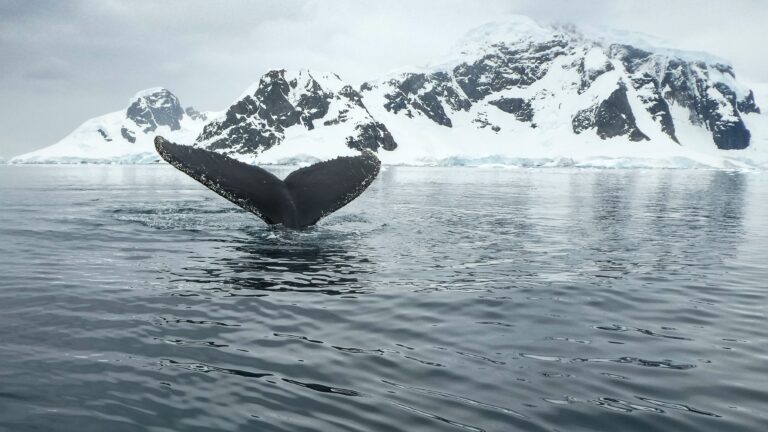
HERO image: Humpback whale flukes as it dives in Fournier Bay off Anvers Island (Antarctic Peninsula) – Picture Derek Oyen