The ‘Triple Threat’ Facing Modern Marinas

The visual of a pristine marina is the most valuable asset any dock manager possesses. Yet, beneath the surface, and increasingly on top of it, a silent crisis is unfolding.

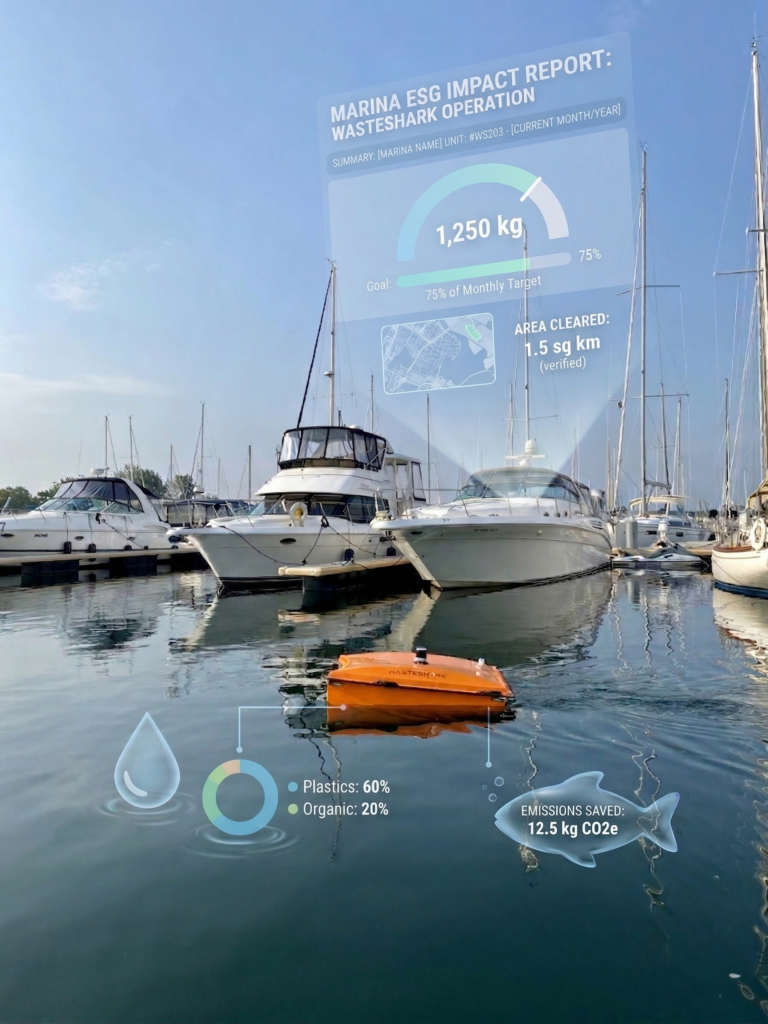
WasteShark patrolling a marina with ESG Impact report stats

As highlighted in the latest issue of  Marina World, the global marina industry is hitting a tipping point where traditional maintenance methods can no longer keep pace with environmental degradation.
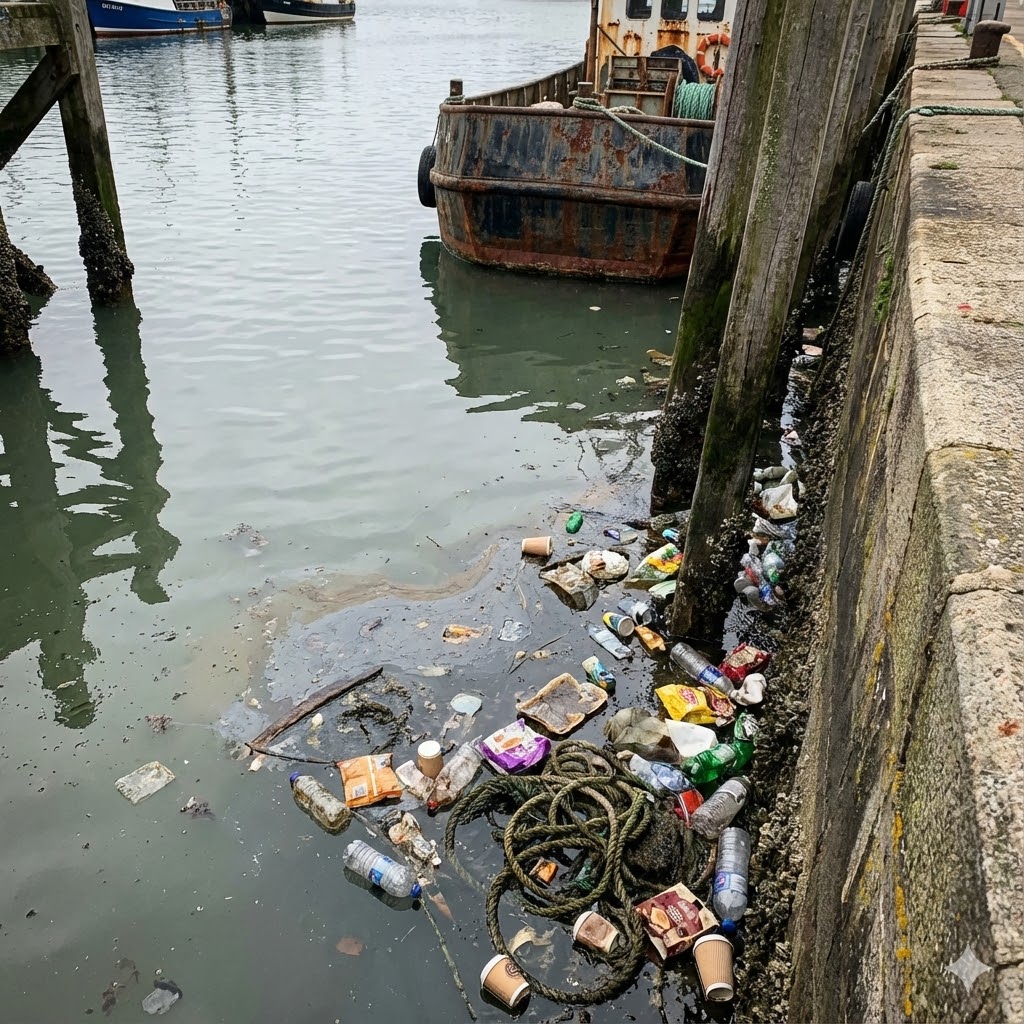
RanMarine's WasteShark Plus is an ideal tool to cleanup floating waste in large harbors and marinas
Floating waste is an all-to-often sight in large harbors and marinas

The End of Manual Labour?

For decades, the standard for marina cleaning involved “man-and-a-net” operations. This method is slow, misses microscopic pollutants, and exposes staff to potentially hazardous water conditions. Page 104 of the Marina World report suggests that labor costs for manual water maintenance have risen by 22% in the last three years alone. This economic pressure is driving a surge in “Smart Marina” technology.

The Rise of the Bio-Drone

Enter the WasteShark. The article identifies RanMarine’s autonomous technology as the primary “Three-in-One” solution for the sector. Unlike manual efforts, these drones target the “Triple Threat”:

  • Plastic & Debris: Removing up to 500kg of waste daily before it sinks or escapes into the open ocean.
  • Bio-Pollution: Using the CyanoShark variant to detect and neutralize harmful algae blooms before they require expensive, chemical-heavy interventions.
  • Digital Reporting: Providing the “Visibility” component of sustainability. With every swim, the drone collects water quality data, allowing marinas to provide hard ESG data to stakeholders—a requirement that is rapidly moving from “nice-to-have” to a legal mandate in many jurisdictions.

Turning Sustainability into Visibility

The shift toward automated solutions isn’t just about efficiency; it’s about the “Sustainability-Visibility Link.” When a WasteShark is seen patrolling a marina, it acts as a floating billboard for the facility’s commitment to the environment. As Marina World concludes, the most successful marinas of 2026 will be those that integrate technology not just to clean their water, but to prove its health to the world.

Ready to turn the ‘Triple Threat’ into a measurable ESG success?

Download our Corporate Sustainability Solutions Brochure to see how RanMarine technology is providing US and global marina operators with the visibility, data, and autonomous power they need.


👉 Download the Brochure Now

Source:

Marina World Editorial Team (Issue 152, Q1 2026)

more news

The ‘Triple Threat’ Facing Modern Marinas

The visual of a pristine marina is the most valuable asset any dock manager possesses. Yet, beneath the surface, and increasingly on top of it, a silent crisis is unfolding.

The Tiny Guardians: How Microplastics are Breaking the Natural Cycle of Our Water

New research from the University of California San Diego has uncovered a hidden mechanism that is turning our lakes and coastal waters green.

A “Constitution” for the High Seas

A Historic Milestone: The Treaty Officially Becomes Law

The “Eye in the Sky” for Ocean Waste

Beyond the Horizon: Why 2026 is the Year We Finally “See” Plastic from Space

Flocean in the Deep: The Dawn of Subsea Desalination

By placing their desalination units on the seafloor at depths of 400 to 600 meters, Flocean uses the ocean’s own weight to push seawater through reverse-osmosis membranes.

Ready to see our shark in action?

Get in touch for a live virtual demo or a quote.
Our team is ready to help.

Trusted by Port Authorities and Facilities Management Teams across the globe

Proven technology. Global Impact.

Don’t just take our word for it. Explore our case studies to see how our customers use data-driven autonomy to create cleaner, safer waters around the world.

Love Boat

Maintaining water quality in Italian harbours, marinas and inland waters to meet tourist standards whilst protecting the environment in a cost- and labour-efficient manner

Leeds Waterfront Group

Leeds’ waterways collect tons of floating debris annually, overwhelming manual clean-up crews and threatening wildlife habitats along the River Aire, Leeds and Liverpool Canals

BIC Consolidated

Maintaining pristine water quality across vast, debris-prone commercial waterfronts using traditional methods was labour-intensive, inefficient and lacked audit data

Our Technology

Advanced robotics designed to clean, monitor, and restore marine environments.

WasteShark

Manual & Accessible

The essential tool for calm waters

WasteShark +

Built for Professionals

Power and speed for marinas & ports

WasteShark + Pro

Intelligent Autonomy

LiDAR guided cleaning with data capabilities

CyanoShark

Harmful Algae Solution

Specialized filtration to remove harmful blooms and biomass

MegaShark

Industrial Capacity

Heavy-duty waste removal for ports and large waterways

RanMarine Connect

Unified Data Platform

Real-time water quality monitoring and fleet management

Schedule your demo

Book your 30-minute live demo with a RanMarine specialist.
(Subject to location and availability)

Cleaner waters, delivered to your inbox.

Join 2,000+ subscribers receiving the latest updates on marine technology and sustainability.

Submit a Support Ticket