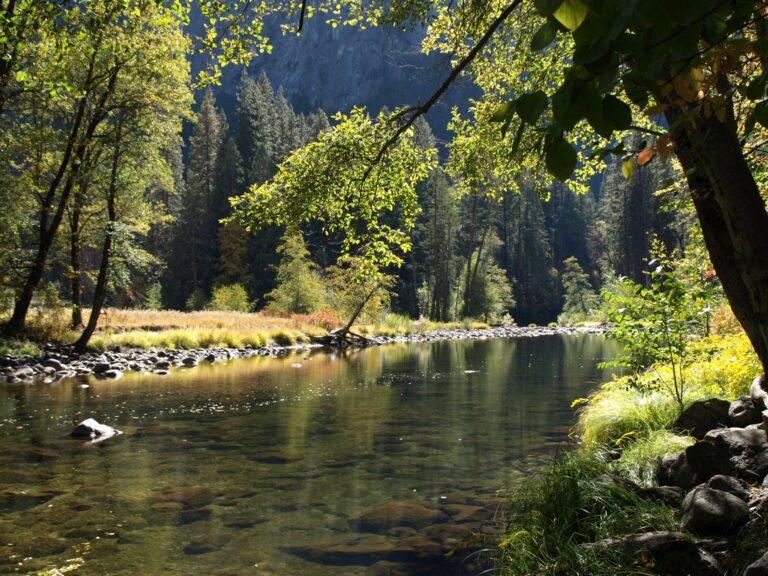
Rivers provide life and sustenance to humans, plants and animals and they were our very first highways before roads were made. There are 165 major rivers on planet earth, mostly flowing south with the exception of four of the longest rivers that flow north.
Our rivers are the first areas to be heavily impacted by climate change. Rising temperatures, frequent extreme storms and changes in season precipitation rates are finally taking their toll. We have to remember that climate change equals water change.
River communities are seeing increased flooding, droughts and waterborne diseases which are all having extreme impacts on their daily lives. Our drinking water comes directly or indirectly from streams and rivers. It, therefore, makes sense that when our rivers and streams become polluted, so does our drinking water.
Read our blog on Dangerous Pathogens found in Rivers
To put it mildly, the future does not look good unless we take drastic action.
Rising temperatures in rivers affect aquatic life
Aquatic species all have a preferred temperature range in which they live, and when this range is affected, this can cause the death of species that cannot live in warmer waters. Moreover, a rise in water temperature also affects water chemistry.
Groundwater, for example, can have a higher electrical conductivity as the higher water temperature dissolves more minerals from the surrounding rocks. Warm water holds less dissolved oxygen than cold water, which means there is ultimately less oxygen for aquatic life. Certain water compounds also become more toxic once temperatures rise.
Let’s take trout or salmon, for example. These fish are cold-water species and therefore require cold water for their very survival. If our river temperatures keep rising, these fish will be replaced by species able to live in warmer waters and trout and salmon meals will become a thing of the past.
Why Algal blooms can be deadly
If our river temperatures keep rising we risk excessive algal blooms which are very harmful to aquatic life, humans and our global economy. In order to maintain water quality, we have to reduce excess nutrient pollution. So when rising water temperatures and excess nutrients such as phosphorus and nitrogen enter the rivers and lakes, we see algal blooms. When this happens it reduces the amount of oxygen available to aquatic life, causing dead zones where no life can flourish.
Not only do algal blooms affect aquatic life, but the water quality also becomes severely affected resulting in unsafe drinking water that requires costly additional water treatment. It becomes a vicious loop.
Read our blog on Reducing harmful algal blooms
Drinking water will become costly
With more frequent storms come heavier rainfall, which in turn causes pollutant runoff and sedimentation in our rivers and lakes. This complicates treatment in source waters and pushes up the costs of treating drinking water. Ultimately it is the consumer who bears this cost, which means that drinking water will become very expensive.
We can expect more droughts as climate change increases. Less rainfall means less drinking water.
Rising sea levels are also inviting more saltwater intrusion into our lakes and rivers, affecting the availability and quality of source water.
What is the solution?
Protecting and restoring rivers must be part of the global solution along with decreasing global warming pollution. There are many wonderful river restoration projects across the globe that focus on protecting rivers. Grasses, shrubs and trees are planted along the stream and river banks to create a buffer. Buffers improve water quality by filtering pollutants and sediments from soil runoff and they also help to keep the water cool by providing necessary shade.
Moving Water Alliance is an organisation that supports beach and river cleanup organisations and encourages riverbank restoration projects across the globe.
We can each do our part, it’s not difficult. It just requires a few minor adjustments to your lifestyle.
4 things we can do to help:
- Use only environmentally-friendly cleaning products in your home as whatever you flush down your drain ends up back in the rivers.
- Preserver water by using it sparingly. That means you need to turn off your tap while you’re brushing your teeth and be sure to only use your washing machine when you can do a full load. You should also consider timing your shower time as a 10-minute shower uses roughly 25 – 50 gallons of water, depending on your shower head flow. You can also consider catching water from your shower in a large bucket while you wait for the water to heat. This water can then be used to water your plants or flush your toilet. You could also consider installing a low-flow shower head to help you save more water.
- Since energy production requires water to cool power plants, it makes sense to turn off appliances and lights when not in use to save electricity and the water used for the cooling process.
- Since so much plastic ends up in our rivers, it also makes sense to avoid single-use plastic. Take your own fabric shopping bags along when you buy groceries, and your own coffee mug when you buy takeout coffee. Eliminate plastic straws from your life and buy environmentally-friendly bamboo straws instead. Learn how to recycle properly so that your plastic doesn’t end up in our rivers.
Want to know how much water your household uses? Use this handy Water Calculator.
If we don’t take drastic action now, not only will we end up with heavily polluted rivers and reduced aquatic life, but we will suffer severe water scarcity which means many of our citizens will die. As it stands, 1.1 billion people currently lack access to water and a total of 2.7 billion find water scarce for at least one month of the year, according to WWF.
So next time you brush your teeth whilst leaving the tap running, think about how you will access clean and safe drinking water ten years from now.