New research from the University of California San Diego has uncovered a hidden mechanism that is turning our lakes and coastal waters green. While we usually blame fertilisers or sewage for toxic algal blooms, this study points to a different culprit: the microscopic plastic fragments floating in our water. It turns out that petroleum-based microplastics are not just passive litter; they are active disruptors that kill off the tiny guardians of our ecosystems.
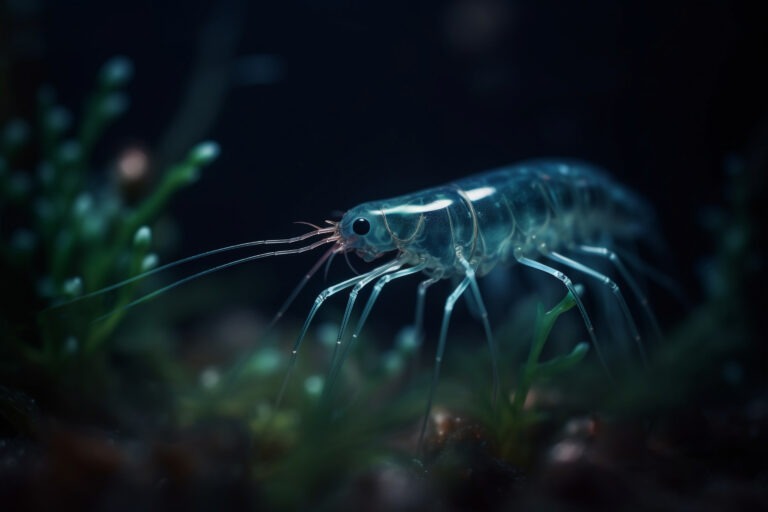
To understand why this happens, we need to look at the water as if it were a garden. In a healthy garden, you have grass (algae) and you have sheep (tiny crustaceans called copepods). The sheep eat the grass, keeping the lawn short and tidy. This is a natural balance. However, the UCSD study found that when microplastics enter the environment, they act like a poison specifically targeting the sheep.
When these tiny grazers disappear, the grass is free to grow out of control. This creates what scientists call a top-down effect. Instead of the algae growing because it has too much food, such as fertiliser, it grows because there is nothing left to eat it. The result is a massive, suffocating explosion of algae that can turn a blue lake into a thick, toxic soup in a matter of days.
Visualising the Problem: Three Key Terms
• The Invisible Sheep (Copepods): Imagine millions of tiny, transparent creatures with long antennae, zigzagging through the water. They are the frontline workers of the ocean, munching on algae 24/7. When they ingest microplastics, it is like they are eating junk food that has no nutrients but fills their stomachs, eventually leading to starvation or reproductive failure.
• The Green Blanket (Algal Blooms): Think of a thick, velvet-like carpet laid over the surface of the water. This blanket blocks out the sun for plants living at the bottom. As the blanket begins to rot, it sucks all the oxygen out of the water, making it impossible for fish to breathe through their gills.
• The Plastic Trigger: Picture a microscopic chemical leak. Petroleum-based plastics—the kind used in standard water bottles and packaging—often leach chemicals that interfere with the hormones and survival of aquatic life. This trigger sets off a chain reaction that ends with a dead, stagnant pond.
The study also noted a vital distinction: not all plastics are created equal. Biodegradable plastics, while still not ideal, did not have the same devastating impact on the copepod populations as traditional oil-based plastics. This suggests that our reliance on forever plastics is the primary reason our natural water-cleansing cycles are breaking down.
For those managing marinas, canals, and urban waterways, this news is a wake-up call. It means that simply filtering out chemicals or reducing runoff is only half the battle. If we do not remove the physical plastic debris, the ecosystem will remain broken at the microscopic level.
RanMarine Technology provides the tools to mend this broken cycle. Our WasteShark acts as a proactive vacuum for the water, capturing plastic waste before it has a chance to fragment into the micro-pollutants that kill our invisible sheep. By removing the plastic trigger, the WasteShark allows the natural grazers to thrive once again.
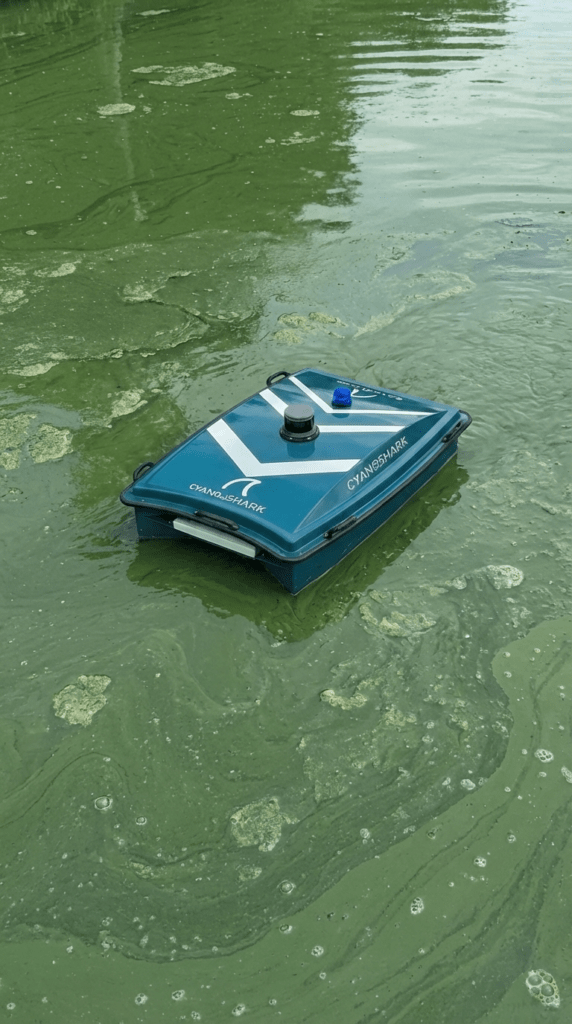
However, in areas where the green blanket has already taken over, we deploy the CyanoShark. This autonomous vessel is designed to identify and neutralise harmful blue-green algae, also known as cyanobacteria, without using harsh chemicals that could further harm the delicate zooplankton. It is a surgical approach to water restoration, removing the toxic bloom and allowing the water to breathe again.
By combining the latest ecological science with leading robotics, we can protect the microscopic life that keeps our planet’s water clean. We are moving beyond simple cleanup; we are restoring the natural balance of the aquatic world.
To see our autonomous guardians in action and learn more about our services, visit Our Technology.